

Many first-time mums believe all feeding pillows are much the same. A pillow is a pillow, right? Wrong. The shape, height, and firmness of your nursing pillow can dramatically change how comfortable feeding feels, how well your baby latches, and whether you finish each session hunched over with a sore back or sitting tall and relaxed. This article walks you through the science behind pillow shapes, what clinical experts recommend, how to match a pillow to your body, and exactly what to look for when choosing one that genuinely supports you and your baby.
Table of Contents
- Why pillow shape matters for feeding
- Comparing popular pillow shapes and their effects
- Key ergonomic principles: Matching pillow to your body
- Clinical and real-mum perspectives on shape and comfort
- Choosing the right pillow shape for you: Practical steps
- A fresh perspective: Why conventional pillow advice misses the mark
- Tailor your feeding support with the right pillow
- Frequently asked questions
Key Takeaways
| Point | Details |
|---|---|
| Shape directly impacts latch | Pillow shape influences how securely your baby latches and how comfortable you feel while feeding. |
| Fit prevents strain | Matching pillow height and firmness to your body reduces slouching and shoulder pain. |
| Firmness supports success | Firm, stable pillows minimise re-adjustments and are recommended for learning correct positioning. |
| Personal preference matters | Trying different pillow shapes helps you find your best match, especially during early months. |
Why pillow shape matters for feeding
Most people think of a nursing pillow as a simple comfort item, something soft to rest your arm on. But its shape is doing far more important work than that. A well-designed pillow keeps your baby in a stable, elevated position so they can’t easily roll away or slump down mid-feed. That stability matters enormously for achieving and holding a good latch, which is the foundation of comfortable, effective breastfeeding.
When a pillow collapses under your baby’s weight or lets them drift out of position, you instinctively compensate by leaning forward, hiking your shoulder, or twisting your wrist to support their head. Do that ten or twelve times a day and your neck, upper back, and wrists feel it within days. Shape is what prevents that cascade of small adjustments from happening in the first place.
“A well-shaped pillow isn’t a luxury. It’s the difference between feeding sessions that feel manageable and ones that feel like a workout you didn’t sign up for.”
For first-time mums still learning the basics of positioning, pillow shape for easier feeding is especially critical. You’re simultaneously trying to remember hand placement, watching for latch cues, and keeping your baby awake and feeding. The last thing you need is a pillow that’s working against you.
Key reasons pillow shape changes your feeding experience:
- Prevents baby rolling or slumping, reducing the need for constant repositioning
- Supports tummy-to-tummy alignment, which is the gold standard position for a deep, comfortable latch
- Keeps baby at breast height without mum needing to lean down or crane forward
- Reduces the physical load on your arms and wrists, especially during longer feeds
- As research confirms, firm rectangular pillows provide a stable, non-shifting platform ideal for first-time mums learning latch, preventing baby rolling and teaching proper tummy-to-tummy alignment
Now that you’ve seen why pillow design isn’t just cosmetic, let’s break down the most common shapes and how each performs.
Comparing popular pillow shapes and their effects
Walk into any baby shop and you’ll see a wall of nursing pillows in a bewildering variety of shapes. Here’s a practical comparison of the four main types and what they actually deliver in a real feeding session.
| Shape | Best for | Key advantage | Key limitation |
|---|---|---|---|
| C-shape | Cradle hold, most body types | Wraps around waist for closeness | Can shift if not fitted with strap |
| U-shape | Twin feeding, back support | Supports both sides simultaneously | Bulky, harder to store |
| Rectangular/flat | Latch learning, all holds | Maximum stability, no rolling | Less contouring to body |
| Wedge | Post-caesarean, reflux babies | Avoids abdominal pressure | Limited positional versatility |
Firmness interacts closely with shape. A C-shaped pillow made from soft, compressible foam will flatten under baby’s weight within weeks, effectively becoming a very different pillow from what you purchased. Firm pillows maintain shape and height better than soft ones, reducing readjustments, and lactation consultants consistently prefer firm, flat types for latch training because they don’t allow that gradual compression to change the feeding angle mid-session.
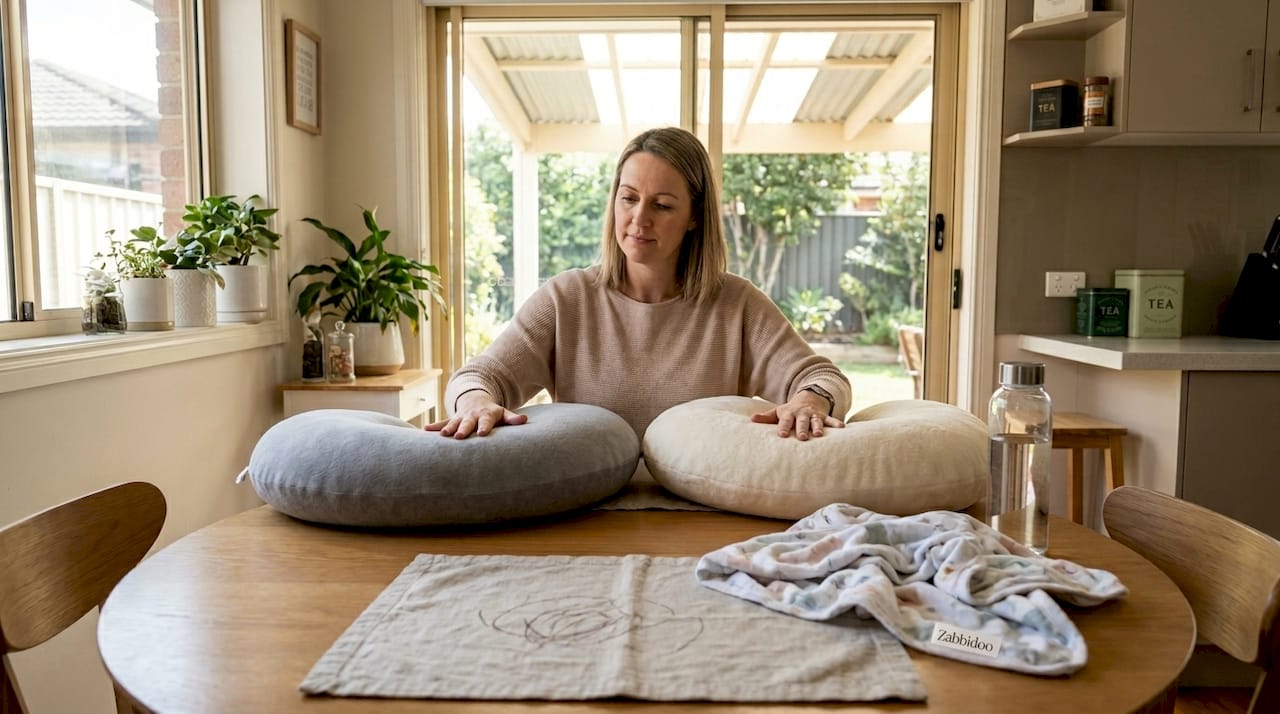
The Wirecutter nursing pillow review reinforces this point, noting that firmness is one of the top predictors of long-term pillow satisfaction among new parents. A pillow that starts firm and stays firm is not just more comfortable over time, it’s actually safer because it doesn’t subtly lower your baby’s position as the feed progresses.
Pro Tip: If you’re unsure between a C-shape and a rectangular pillow, start with rectangular for the first four to six weeks when latch learning is the priority. You can always swap to a C-shape once feeding feels more established and you want that snug, wraparound fit.
When considering your options, look at safest pillow designs for feeding to understand how materials and construction affect long-term shape retention.
With a clearer idea of pillow types, let’s dig into the key ergonomic factors that make all the difference for long feeding sessions.
Key ergonomic principles: Matching pillow to your body
Ergonomics is about fit. And when it comes to nursing pillows, the most important measurement most mums have never taken is the distance from their lap to their nipple when seated upright. That gap is what your pillow needs to fill. If it doesn’t fill it completely, you’ll lean forward. If it overfills it, you’ll hike your shoulders up to accommodate a baby that’s sitting too high.
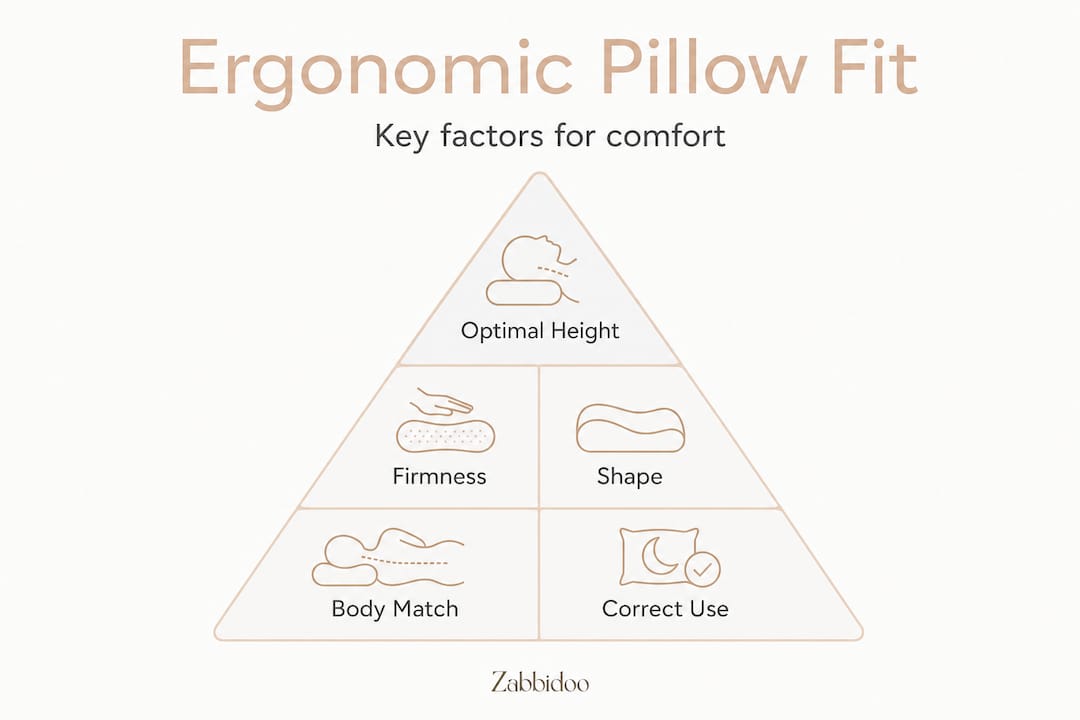
Pillow height must match your torso length: if that measurement is greater than 7 inches, you need a thick, firm pillow; if it’s between 4 and 5 inches, a slimmer profile works better. Getting this wrong is the single most common cause of shoulder and neck strain during feeding.
Here’s a simple step-by-step to assess ergonomic fit before you buy or before you next feed:
- Sit upright in your usual feeding chair with your feet flat on the floor
- Measure from your lap to your nipple using a tape measure or the width of your hand as a rough guide
- Compare that measurement to your pillow’s height when compressed slightly under baby’s weight
- Check your shoulder position during feeding. If one or both shoulders are rising, your pillow is too low
- Watch for forward head position, where your chin drops toward your chest. This signals your pillow isn’t bringing baby up to you
The right ergonomic pillow thickness makes an enormous difference to how your back and neck feel by the end of the day. And because newborns feed eight to twelve times in twenty-four hours, small ergonomic problems compound very quickly into genuine physical strain.
Understanding how to reduce feeding strain is about more than buying the right pillow. It’s about using it correctly and adjusting it to your specific body. Width also matters: a pillow that wraps too loosely around your waist won’t stay in position during feeding, and a pillow that’s too narrow won’t support your baby’s entire body length, leaving their legs dangling and shifting the weight back onto your arm.
Armed with these ergonomic rules, here’s how clinical insights and real-mum preferences guide which shapes work best.
Clinical and real-mum perspectives on shape and comfort
Health professionals and everyday mums don’t always agree on what makes a great nursing pillow, and that tension is actually useful to understand. Lactation consultants and midwives consistently prioritise firm, stable shapes because their focus is on latch quality and baby positioning. No direct randomised trials on nursing pillow shapes have been published, so recommendations rest on ergonomic principles around alignment and weight distribution. The clinical consensus leans firmly toward firm shapes for posture support.
Real mums, however, often report that softer pillows feel more comfortable, particularly in the early days when their bodies are still recovering from birth. The catch is that softer pillows tend to require more frequent repositioning, which paradoxically increases physical effort and discomfort over the course of a day’s worth of feeds.
Some specific scenarios where shape choice becomes especially important:
- Post-caesarean recovery: Pressure across the waist and abdomen is painful and potentially harmful. A wedge pillow or football hold with a flat pillow positions baby without resting weight on the incision site
- Twins feeding: A U-shaped pillow allows simultaneous positioning of two babies, reducing the need to alternate and dramatically cutting total feeding time
- Reflux babies: A slight incline achieved with a wedge or by adjusting a C-pillow’s angle keeps baby’s head elevated and can reduce discomfort after feeds
Pro Tip: If you’ve had a caesarean, don’t push through waist pressure because you feel like you should be able to manage. Choosing the right pillow firmness for comfort in your specific recovery scenario is not a minor preference; it directly affects how quickly and comfortably you recover.
Understanding the balance between clinical guidance and personal comfort is part of improving comfort for mums at every stage of the feeding journey. You don’t have to choose between what’s clinically correct and what feels bearable. With the right shape and firmness, you can have both.
Understanding these recommendations, let’s turn theory into practice for choosing the right pillow and optimising feeding sessions.
Choosing the right pillow shape for you: Practical steps
The best pillow for your body and your baby isn’t the most popular one on Instagram. It’s the one that fits your torso, supports your preferred feeding position, and holds its shape through a full day of feeds. Here’s how to work that out for yourself.
- Identify your primary feeding hold: Cradle, cross-cradle, football, or side-lying each suit different shapes
- Measure your torso height as described in the ergonomics section above
- Press the pillow firmly with your hand before buying or on arrival. It should resist compression and spring back quickly
- Check for a strap or fastener that keeps the pillow anchored to your body during feeding
- Trial three feeding sessions before deciding. Latch learning takes repetition, so one awkward feed doesn’t mean the pillow is wrong
“For first-time mums aged 27 to 40, prioritise firm C, U, or flat shapes with straps for stability to minimise strain. Measure torso height for fit. Post-caesarean? Avoid waist pressure by using a football hold or wedge design.”
Straps and structural firmness are especially important for first-timers. Without a strap, you’ll find yourself pushing the pillow back into position repeatedly, which defeats the purpose of having support in the first place. A pillow that shifts is a pillow that’s not working.
For step-by-step positioning guidance, nursing pillow setup steps can walk you through getting the most from whichever shape you choose. Good setup technique amplifies the benefit of a well-designed pillow significantly.
Having walked through practical selection, let’s take a step back and reconsider common advice around pillow shape and comfort.
A fresh perspective: Why conventional pillow advice misses the mark
Here’s an uncomfortable truth about nursing pillow advice, including a lot of what you’ll read online: it tends to be written around products rather than bodies. Reviews compare features. Brand content highlights aesthetics. Even well-meaning guides focus on what’s popular rather than what fits you.
The result is that many mums buy a beautifully designed, cleverly named pillow, and within three weeks they’ve abandoned it for a rolled-up bed pillow or a basic rectangular shape they picked up for fifteen dollars. That’s not a personal failure. It’s what happens when advice skips the step of individual fit.
What high performance nursing pillows actually have in common isn’t a trendy shape or a particular material. It’s that they hold their height under load, they fit the user’s torso, and they require minimal readjustment during a feed. Those are functional criteria, not aesthetic ones.
The other thing conventional advice consistently underestimates is the role of personal testing. Reading about pillow shapes is useful. Pressing one into your lap with your baby’s weight approximated is far more useful. Many mums find their ideal pillow only after trying two or three, and that’s completely normal. The problem is that most people buy once, feel disappointed, and conclude that nursing pillows just don’t work for them.
They do work. The right one, for your body and your feeding style, makes a genuine difference. But you have to be willing to test and adjust rather than expecting the first purchase to be perfect. Be bold about trialling different positions and pillow placements. Your body will tell you when something is right.
Tailor your feeding support with the right pillow
Finding a pillow shape that genuinely fits your body and supports your feeding goals doesn’t have to mean endless searching. At Zabbidoo, we’ve built our nursing pillow specifically around the problems most pillows ignore: insufficient height, compression under load, and lack of stability during feeding.
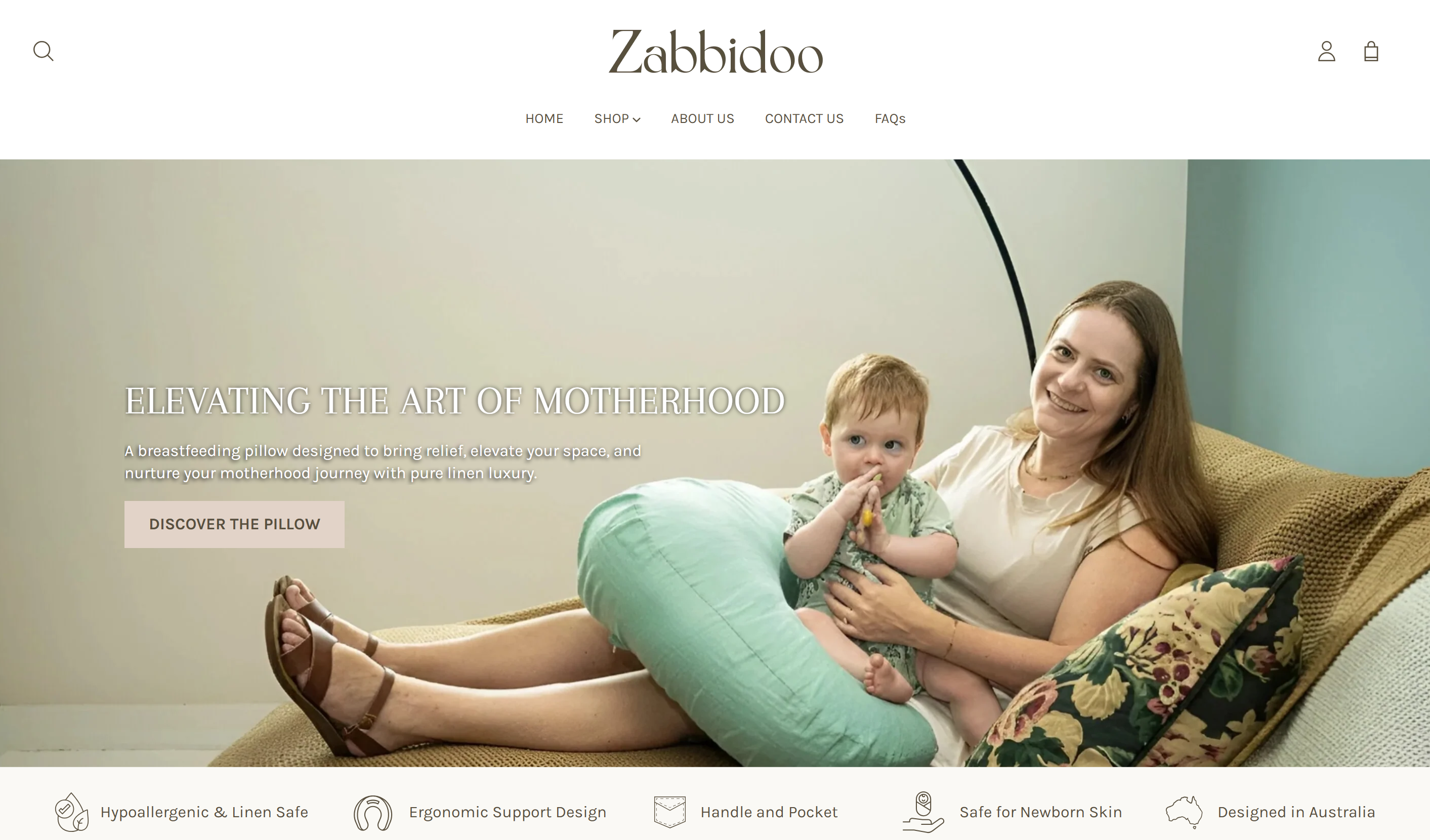
Our nursing pillow sits at 18cm high, bringing your baby up to you rather than pulling you down to them, and it holds that height across multiple feeds because the fill is designed for compression resistance. If you’re ready to stop adjusting and start feeding comfortably, explore our Zabbidoo nursing pillows and see how ergonomic design changes the experience. And when you’re there, grab a free pacifier clip chain to complete your feeding kit without the extra cost.
Frequently asked questions
What pillow shape is best for latch learning?
A firm, flat or rectangular pillow provides the most stable support for teaching tummy-to-tummy alignment and maintaining a secure latch. Flat or firm rectangular shapes prevent baby rolling and keep them in consistent position while you learn.
How do I know if my pillow is the right height for feeding?
Measure from your lap to your nipple when seated upright and ensure the pillow fills this gap without causing shoulder hike or slouching. Pillow height mismatch is the most common cause of neck and shoulder discomfort during breastfeeding.
Should I choose a soft or firm pillow for feeding?
Firm pillows are generally preferred by health experts for their stability and posture support, though some parents find softer options more comfortable initially. Firm pillows maintain height better and reduce repositioning, which is why lactation consultants consistently recommend them, a view supported by ergonomics-based evidence as well.
What pillow shape is best after a caesarean?
A wedge or football-hold pillow avoids waist pressure and supports safe, comfortable feeding following a caesarean. Avoiding waist pressure with the right shape makes a significant difference to recovery comfort during those early postoperative weeks.