

Sustainable baby products in Australia are defined by verified organic certifications, chemical-free manufacturing, and eco-friendly materials that protect baby health while reducing environmental impact. Australian parents are increasingly choosing products certified to standards like GOTS (Global Organic Textile Standard) and Plastic Bank plastic neutrality, moving well beyond vague “natural” labels. The difference between a genuinely green product and a greenwashed one comes down to third-party verification. This guide covers the top product categories, the certifications that matter, and practical ways to make sustainable swaps without overhauling your entire nursery.
1. Organic cotton baby clothing
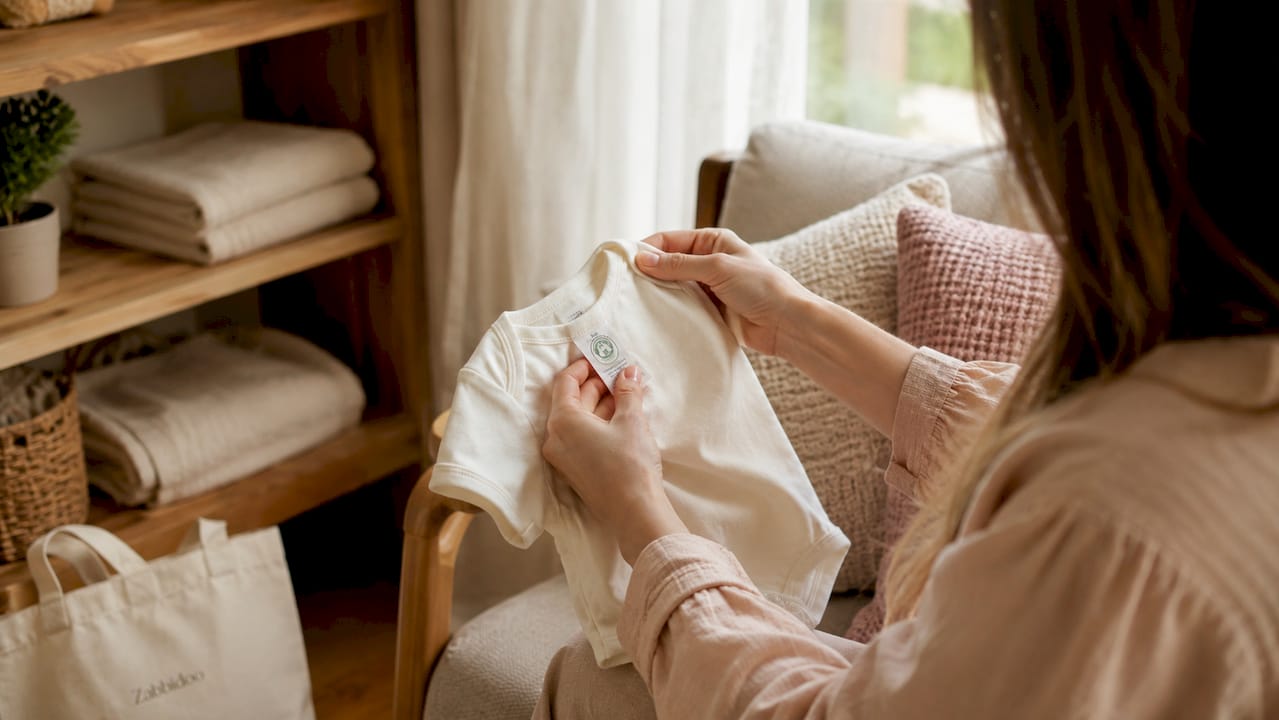
GOTS-certified organic cotton is the gold standard for baby textiles in Australia. GOTS certification covers the entire supply chain, from seed to seam, ensuring no toxic chemical sprays or heavy metals touch the fabric. Conventional cotton is one of the most pesticide-heavy crops in the world, making the organic alternative a meaningful choice for newborn skin. Look for sleepsuits, bodysuits, and wraps that carry the GOTS label rather than simply the word “organic.”
Pro Tip: Check the label for the GOTS licence number. Any brand can print “organic cotton” on a tag, but only certified producers carry a verifiable number you can look up at global-standard.org.
2. Plastic-neutral modern cloth nappies
Modern cloth nappies (MCNs) are one of the highest-impact swaps an Australian parent can make. Some Australian MCNs are Plastic Bank plastic neutral certified, meaning every purchase prevents five plastic bottles from entering the ocean. That certification links your buying decision directly to measurable ocean plastic reduction. Nappies made from recycled fabrics add another layer of environmental benefit by diverting material from landfill.
3. Biodegradable bamboo baby wipes
Conventional baby wipes are a significant source of household plastic waste. Premium bamboo wipes made from FSC-certified bamboo can be 99% biobased, fully biodegradable, and free from artificial chemicals. FSC (Forest Stewardship Council) certification confirms the bamboo was harvested responsibly. Wipes that also carry USDA Certified Biobased and EWG Verified status give parents the strongest evidence of both safety and environmental credentials.
4. Natural fibre nursery bedding
Nursery bedding made from natural fibres like organic cotton, linen, or bamboo breathes better than synthetic alternatives. Linen, in particular, regulates temperature well in Australia’s warmer climate, reducing the risk of overheating. Linen versus polyester for babies is not a close contest: natural fibres wick moisture, resist bacteria, and soften with every wash. Choose fitted cot sheets and swaddles with a GOTS or OEKO-TEX Standard 100 certification.
5. GREENGUARD Gold certified nursery furniture
Nursery furniture is a hidden source of chemical exposure. GREENGUARD Gold certification means a product has been tested against more than 10,000 chemicals and VOCs (volatile organic compounds) for safe indoor air quality. Babies spend the majority of their early months in the nursery, so low-emission furniture matters more than most parents realise. Prioritise cots, change tables, and mattresses that carry this certification.
6. Glass and stainless steel feeding bottles
Plastic baby bottles can release microplastics when heated repeatedly. That finding alone has shifted many Australian parents toward glass or stainless steel alternatives. Glass bottles are easy to sterilise, do not absorb odours, and last for years. Stainless steel is lighter and more durable for older babies. Both options eliminate the risk of chemical leaching that comes with repeated heating of plastic.
7. Sustainably produced baby toys
Safe baby toys come from natural materials like untreated wood, organic cotton stuffing, and natural rubber. Look for toys certified by FSC (for timber) or made without PVC, BPA, or phthalates. Many Australian-designed toy brands now publish their material sourcing openly. Avoid brightly painted wooden toys unless the paint is confirmed non-toxic, as babies mouth everything from around three months.
8. Reusable nursing pads and feeding supports
Disposable nursing pads generate consistent waste across the entire breastfeeding period. Reusable organic cotton or bamboo nursing pads wash easily, last for multiple children, and reduce both cost and landfill contribution. Transitioning to reusable nursing pads is one of the easiest sustainable swaps for new mums because it requires no learning curve. Pair them with an ergonomic nursing pillow to reduce the physical strain of feeding sessions.
Pro Tip: Buy at least six pairs of reusable nursing pads so you always have a clean set ready while others are in the wash.
9. Chemical-free baby skincare and bath products
Baby skin absorbs what you put on it. Products certified by EWG (Environmental Working Group) Verified status have been screened against EWG’s strict standards for ingredient safety. Avoid products with synthetic fragrance, parabens, or sulphates. Australian-made baby skincare brands that publish full ingredient lists and carry third-party verification are the safest choice. Non-toxic product choices reduce cumulative synthetic chemical exposure across the entire early childhood period.
10. Eco-friendly baby wraps and blankets
Baby wraps and blankets made from organic cotton, bamboo, or linen are both sustainable and practical for the Australian climate. Muslin wraps in particular are lightweight, breathable, and biodegradable at end of life. Linen safety for newborn skin is well established: it is naturally hypoallergenic and free from the chemical finishes applied to many synthetic fabrics. Choose wraps with a GOTS or OEKO-TEX certification for full peace of mind.
How to spot genuinely sustainable certifications
The word “organic” carries no legal protection in Australian baby product manufacturing. Without third-party certification, any brand can print it on a label. That gap is where greenwashing thrives. The certifications below are the ones worth trusting.
- GOTS (Global Organic Textile Standard): Covers textiles from fibre to finished product. Prohibits toxic dyes, heavy metals, and hormone disruptors. The most credible standard for organic baby clothing and bedding.
- Plastic Bank plastic neutrality: Links product purchases to verified ocean plastic recovery. Relevant for nappies and packaging.
- FSC (Forest Stewardship Council): Certifies responsible forestry for bamboo wipes, wooden toys, and timber furniture.
- GREENGUARD Gold: Tests finished products for chemical emissions. Critical for nursery furniture, mattresses, and paint.
- EWG Verified: Screens personal care and skincare ingredients against strict safety standards. Relevant for baby bath and skincare products.
- USDA Certified Biobased: Confirms the percentage of renewable biological content in a product. Common on premium bamboo wipes.
Pro Tip: Search the certification body’s website directly to verify a brand’s licence. Logos can be copied; licence numbers cannot be faked.
Practical tips for making sustainable swaps
Sustainable parenting does not require replacing everything at once. Small, consistent swaps add up to a meaningful reduction in household chemical exposure and waste.
- Start with the highest-contact items. Clothing, bedding, and skincare touch baby skin constantly. These are the highest-priority swaps.
- Switch bottles early. Glass feeding bottles cost more upfront but last for years and eliminate microplastic risk from repeated heating.
- Try reusables before committing. Many Australian retailers sell trial packs for cloth nappies and reusable wipes. Test before buying in bulk.
- Read care labels. Sustainable items last longer when washed correctly. Cold water and line drying preserve organic fibres and reduce energy use.
- Buy Australian-designed where possible. Local brands reduce shipping emissions and are often more responsive to Australian safety standards.
- Check for feeding support options that use natural materials. Nursing pillows and feeding accessories made from linen or organic cotton are both safer and more durable than synthetic alternatives.
Balancing sustainability with budget is real. Prioritise certifications over price points when buying items that stay close to baby skin. For gear and accessories used less frequently, second-hand options from reputable sources are a genuinely green choice.
Comparing sustainable materials used in Australian baby products
| Material | Environmental benefit | Baby safety | Practical notes |
|---|---|---|---|
| Organic cotton (GOTS) | Low pesticide footprint | No toxic dyes or heavy metals | Softens with washing; durable |
| Bamboo (FSC certified) | Fast-growing, low water use | Naturally antibacterial | Check for chemical processing |
| Recycled polyester | Diverts plastic from landfill | Lower chemical risk than virgin polyester | Not biodegradable at end of life |
| Linen (natural) | Biodegradable; low water crop | Hypoallergenic; no chemical finishes | Breathable; ideal for Australian climate |
| Glass (bottles) | Fully recyclable | No microplastic leaching | Heavier than plastic; check for thermal shock resistance |
| Stainless steel | Long lifespan; recyclable | BPA-free; no leaching | Lightweight for older babies; not microwave safe |
Key takeaways
The most effective approach to sustainable baby products in Australia combines verified certifications like GOTS and GREENGUARD Gold with practical, incremental swaps that prioritise baby skin contact items first.
| Point | Details |
|---|---|
| Certifications over labels | Trust GOTS, GREENGUARD Gold, and FSC over unverified “organic” or “natural” claims. |
| Start with skin-contact items | Clothing, bedding, and skincare carry the highest chemical exposure risk for babies. |
| Glass beats plastic for bottles | Repeated heating of plastic bottles can release microplastics; glass eliminates this risk. |
| Incremental swaps work | Reusable nursing pads and bamboo wipes are easy first steps that reduce waste immediately. |
| Buy Australian-designed | Local brands reduce shipping emissions and align with Australian safety expectations. |
What I’ve learnt about sustainable baby choices in Australia
The biggest mistake I see new mums make is treating sustainability as an all-or-nothing commitment. They read about cloth nappies, feel overwhelmed by the system, and give up on the whole idea. That is the wrong starting point. The most effective green parenting approach starts with the items that are already in your hands every day: the wipes, the nursing pads, the clothing your baby wears for 20 hours straight.
Certifications changed how I shop. Once I understood that “organic” on a label means nothing without a GOTS licence number or an EWG Verified badge, I stopped being impressed by packaging and started reading the fine print. The brands that invest in third-party verification are almost always the ones that also invest in better materials and ethical production.
I also think Australian parents underestimate the value of locally designed products. Shorter supply chains mean lower emissions, faster accountability, and products built with our climate in mind. A linen nursing pillow cover designed for Australian summers is not a luxury. It is a practical choice that keeps both mum and baby cooler and more comfortable during long feeding sessions.
Sustainable choices do not have to cost more in the long run. Reusable items, well-made natural fibre products, and certified furniture outlast their cheap synthetic counterparts. The upfront cost is higher. The lifetime cost is lower.
— Marietjie
Zabbidoo’s nursing pillow: sustainable support for Australian mums
Choosing eco-conscious baby products extends to how you feed. Zabbidoo’s nursing pillow is made with French flax linen, a natural, breathable fabric that is ideal for Australia’s climate and gentle on newborn skin. The pillow lifts baby 18cm to bring them to mum, reducing the neck, back, and wrist strain that comes from hunching over a flat or collapsing support.
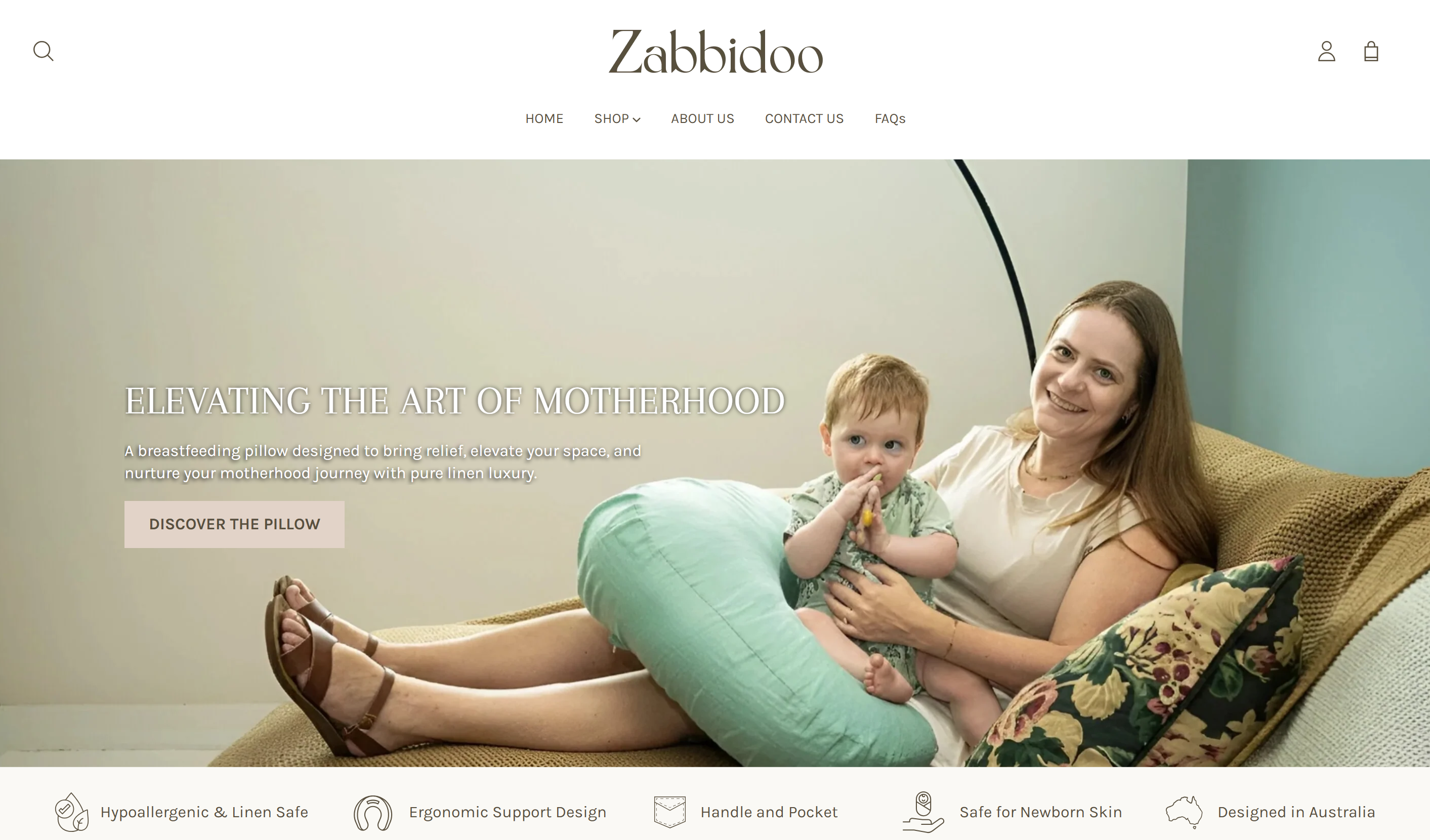
For mums who want ergonomic feeding support made from natural materials, Zabbidoo is a practical, Australian-available option. The linen cover is removable and washable, extending the product’s life and keeping it hygienic across multiple children. Visit Zabbidoo to see the full range of sustainable nursing and baby support products.
FAQ
What makes a baby product genuinely sustainable?
A genuinely sustainable baby product carries third-party certification such as GOTS, GREENGUARD Gold, or FSC rather than unverified “organic” or “natural” labels. These certifications confirm independent testing of materials, manufacturing processes, and chemical safety.
Are cloth nappies better for the environment than disposables?
Cloth nappies produce significantly less landfill waste than disposables over a baby’s nappy-wearing years. Australian MCNs with Plastic Bank plastic neutral certification add a measurable ocean plastic recovery benefit to every purchase.
Is bamboo actually eco-friendly for baby products?
FSC-certified bamboo is a fast-growing, low-water crop with strong environmental credentials. The key is to check that bamboo fabrics have not been heavily chemically processed, which can offset the environmental benefit.
How do I avoid greenwashing when buying baby products?
Look for verifiable third-party certifications and check the brand’s licence number directly on the certifying body’s website. No universal regulation governs the word “organic” in Australian baby product manufacturing, making independent verification the only reliable safeguard.
What are the easiest sustainable swaps for new mums?
Reusable nursing pads, bamboo wipes, and glass feeding bottles are the simplest starting points. Each swap requires minimal behaviour change and delivers immediate reductions in household waste and chemical exposure.