

Linen is the superior fabric for baby clothing and bedding because it breathes, absorbs moisture, and sits gently against sensitive infant skin in ways polyester simply cannot match. Understanding why linen is better than polyester for babies comes down to biology and material science working together. A newborn’s skin is not just delicate in the way we casually use that word. It is structurally different, and the fabric touching it all day matters more than most parents realise. Certifications like OEKO-TEX and GOTS exist precisely because what goes on a baby’s body deserves the same scrutiny as what goes in it.
Why does baby skin make fabric choice so critical?
Baby skin is approximately 30% thinner than adult skin. That single fact changes everything about how you should approach fabric selection. Thinner skin absorbs more, irritates faster, and loses moisture more readily than adult skin does.
Polyester is a synthetic fibre made from petroleum-based polymers. Its structure does not breathe, and the chemical finishes applied during manufacturing do not simply wash away. Formaldehyde-based resins and antimony catalyst residues can leach from polyester fabric under warm, moist conditions. A baby wearing a polyester onesie on a warm afternoon creates exactly those conditions.
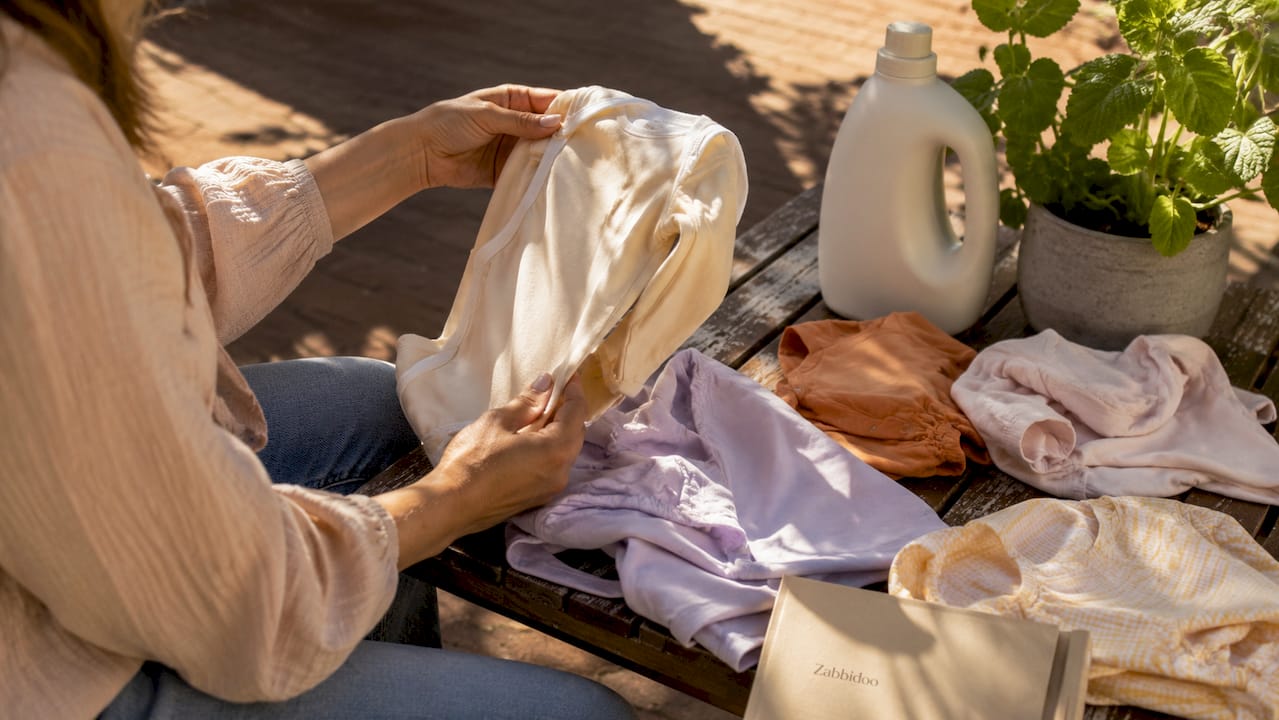
Linen, by contrast, is woven from the stalks of the flax plant. Its fibres are naturally antibacterial and hypoallergenic, which means they are less likely to trigger allergic reactions or skin infections. For babies with eczema-prone skin, this matters enormously. Natural fibres like linen act as passive management tools for eczema by reducing the heat and moisture that trigger flare-ups.
Pro Tip: If your baby has eczema or reactive skin, check clothing labels for OEKO-TEX Standard 100 certification. This confirms the fabric has been tested for harmful substances at every stage of production.
Key differences in how linen and polyester affect infant skin:
- Linen fibres are hypoallergenic and do not require chemical softeners to be skin-safe
- Polyester can trap sweat against skin, creating a warm, moist environment where bacteria thrive
- Linen’s natural texture improves with washing, becoming softer over time without losing its structure
- Polyester blends marketed as soft often contain finishing chemicals that irritate sensitive skin
- Babies with eczema benefit from fabric that minimises heat and moisture rather than trapping both
How do linen and polyester compare on breathability?
Breathability is not a marketing term. It is a measurable property that determines whether your baby stays comfortable or overheats.
Linen absorbs up to 20% of its weight in moisture before it even begins to feel damp against skin. That means your baby can sweat, and the fabric quietly manages it without creating that clammy, uncomfortable feeling. Polyester’s moisture regain sits at below 1%. It cannot absorb sweat. Instead, it traps heat and moisture against the skin, which increases the risk of heat rash, irritation, and overheating.
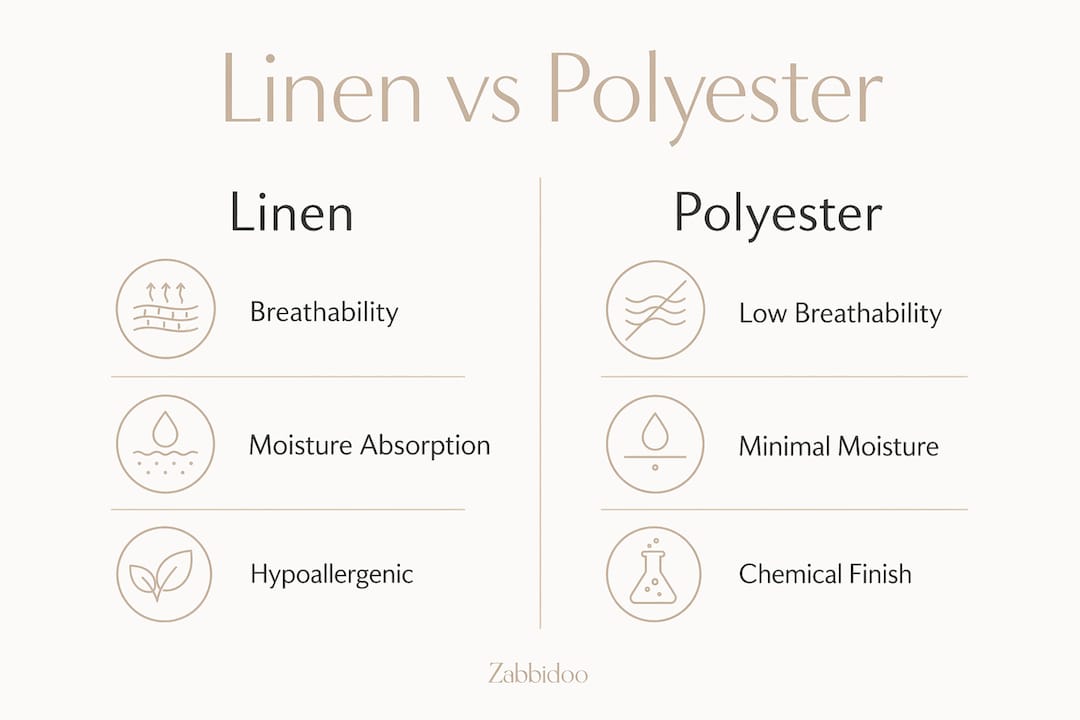
The table below shows how the two fabrics compare across the metrics that matter most for infant comfort.
| Property | Linen | Polyester |
|---|---|---|
| Moisture absorption | Up to 20% of its weight | Below 1% moisture regain |
| Breathability | High, open weave structure | Low, traps heat and sweat |
| Thermoregulation | Cools in heat, insulates in cool | Poor temperature regulation |
| Hypoallergenic | Yes, naturally | No, may contain chemical finishes |
| Softens with washing | Yes, improves over time | No, retains synthetic texture |
| Environmental impact | Biodegradable, low water use | Sheds microplastics every wash |
Linen’s thermoregulating properties are particularly relevant for Australian parents. In warmer climates, a baby dressed in polyester is working against the fabric rather than with it. Linen wicks moisture away and allows air to circulate, which keeps skin temperature stable without relying on air conditioning.
Pro Tip: Linen gets noticeably softer after three to five washes. Buy linen baby clothes a size up and wash them before first use. You will get a softer garment and a better fit at the same time. Learn more about why linen softens with washing if you want the science behind it.
What are the health risks of polyester for babies?
Polyester is not toxic in the way a chemical spill is toxic. The risks are cumulative and context-dependent, which makes them easy to dismiss until they show up as a rash, a restless night, or a flare-up you cannot explain.
Overheating is the most immediate concern. The NHS advises parents to keep babies from overheating during sleep, and fabric choice is a direct lever in that equation. Polyester’s poor breathability means it actively works against temperature regulation during the hours your baby needs it most.
Industry experts advise avoiding polyester blends for infant base layers, as they fail to provide the moisture management and breathability that natural fibres deliver.
The chemical residue issue is less visible but equally real. Polyester garments often carry finishing treatments applied for wrinkle resistance, stain repellency, or softness. These treatments can include formaldehyde compounds that are not fully removed by standard washing. Prolonged skin contact, especially in a warm and sweaty environment, increases absorption risk for a baby whose skin barrier is still developing.
Then there is the microplastic question. Polyester garments shed microplastic fibres with every wash cycle. Those fibres enter waterways, and researchers are still mapping the full extent of human exposure. For parents thinking about long-term health, this is a reason to minimise polyester in a baby’s wardrobe wherever possible.
A few specific risks worth knowing:
- Overheating during sleep, which the NHS links to increased discomfort and disturbed rest
- Skin irritation and eczema flare-ups from trapped moisture and synthetic fibres
- Chemical residue exposure from formaldehyde-based finishes under warm, moist conditions
- Microplastic shedding with environmental and potential health implications
- No officially defined safe polyester percentage for baby clothing, though experts suggest keeping polyester below 20% for all-day wear
OEKO-TEX and GOTS certifications reduce but do not eliminate these concerns. They confirm testing at the point of manufacture, not across the full lifecycle of the garment.
How to choose linen baby clothing and bedding in practice
Linen is not a perfect fabric for every situation, and knowing its limitations makes you a smarter buyer.
The fibre coarseness of linen sits at approximately 7.5 dTex, compared to cotton at around 1.7 dTex. That rougher texture means linen is better suited as an outer layer rather than a garment in direct, prolonged contact with newborn skin. Practitioners recommend linen for babies over six months, or as a top layer for younger infants. For newborn sleepwear, organic cotton or bamboo remains the gentler choice.
Here is a practical guide to using linen across different stages and situations:
- Newborns (0–6 months): Use organic cotton or bamboo for base layers and sleepwear. Linen works well as a swaddle blanket or outer wrap where it is not in constant direct contact with skin.
- Babies 6 months and older: Linen clothing becomes a strong choice for daytime wear, especially in warmer months. The fabric’s breathability and moisture management outperform polyester at every point.
- Bedding: Linen sheets and pillow covers suit babies from around six months. The breathable material reduces heat build-up during sleep, which supports more settled nights.
- Washing and care: Wash linen in warm water on a gentle cycle. Skip the dryer when possible and let it air dry. Each wash softens the fabric further without degrading its structure.
- What to avoid: Many blended fabrics labelled as cotton-polyester (such as 60/40 blends) function like polyester in terms of moisture management. The cotton content does not compensate for the polyester’s poor breathability.
When buying, look for OEKO-TEX Standard 100 or GOTS certification on the label. These are the two most reliable indicators that a fabric has been independently tested for harmful substances. French flax linen, in particular, is grown under strict European agricultural standards and is widely regarded as one of the cleanest linen sources available.
| Fabric | Best use for babies | Breathability | Skin safety |
|---|---|---|---|
| Linen | Outer layers, 6+ months, bedding | Excellent | High, hypoallergenic |
| Organic cotton | Newborn base layers, sleepwear | Good | High, very soft |
| Bamboo | Sensitive skin, sleepwear | Good | High, naturally soft |
| Polyester | Avoid for prolonged wear | Poor | Lower, chemical risk |
Key takeaways
Linen outperforms polyester for babies because its natural breathability, moisture absorption, and hypoallergenic properties directly reduce the risk of overheating, skin irritation, and eczema flare-ups that polyester’s synthetic structure cannot prevent.
| Point | Details |
|---|---|
| Baby skin absorbs more | Skin 30% thinner than adult skin means fabric chemicals and heat penetrate faster. |
| Linen manages moisture | Linen absorbs up to 20% of its weight in moisture, keeping skin dry and comfortable. |
| Polyester traps heat | Below 1% moisture regain means polyester holds sweat against skin, raising irritation risk. |
| Linen suits babies 6 months and older | Coarser linen fibres work best as outer layers; use organic cotton for newborn base layers. |
| Certifications matter | Look for OEKO-TEX Standard 100 or GOTS on labels to confirm fabric safety testing. |
What I have learned from watching parents choose baby fabrics
I have spent a lot of time looking at how parents make fabric decisions, and the pattern is consistent. Most people start with polyester because it is cheap, widely available, and looks fine in the shop. The problems show up later, usually as a rash that will not settle, or a baby who wakes repeatedly during warm nights.
The honest truth about the polyester vs linen for infants debate is that polyester is not a disaster fabric. It is a fabric designed for the wrong job. Polyester excels at durability and stain resistance, which are genuinely useful properties. They are just not the properties that matter most when you are dressing a baby for a full day of wear.
What I find parents underestimate is how much linen improves with use. A new linen garment feels noticeably stiffer than cotton. By the fifth wash, it is a different fabric entirely. That transformation is worth knowing about before you dismiss linen as too rough for a baby.
My practical advice is to start with linen bedding and outer layers, then move to linen clothing as your baby grows past six months. Do not try to replace every polyester item at once. Focus on the garments your baby wears longest: sleepwear, daywear, and anything touching skin directly for hours at a time. Those are the choices that compound over weeks and months of daily contact.
The fabric choice in nursing and support products also matters more than people expect. A breathable linen cover on a nursing pillow, for example, keeps both baby and mum cooler during feeds, which makes the whole experience more comfortable for everyone involved.
— Marietjie
Zabbidoo’s linen nursing pillow: built for real comfort
If you have read this far, you already know that fabric is not a minor detail. It shapes how comfortable your baby is during every feed, every nap, and every hour of contact with the world outside the womb.
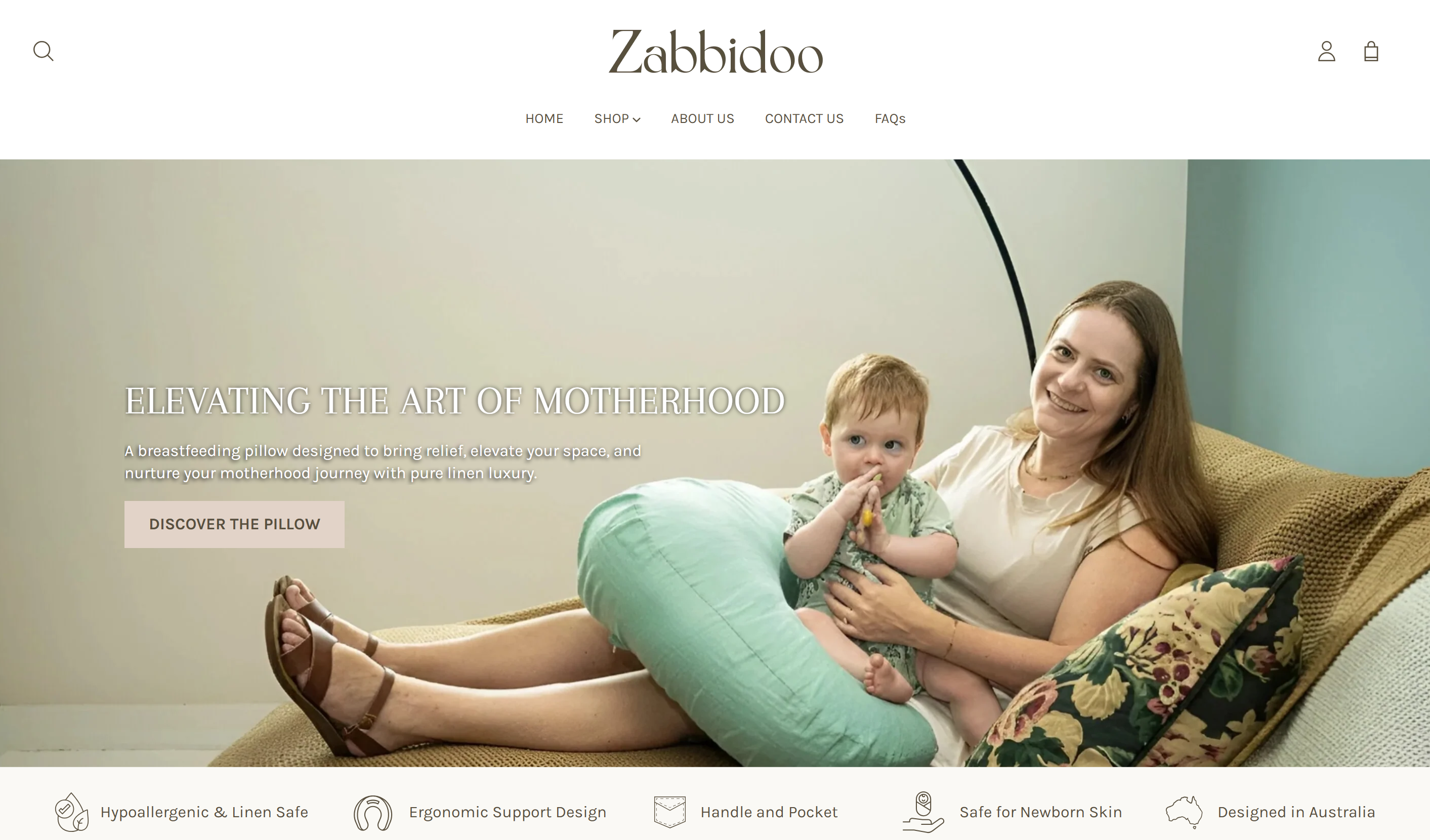
Zabbidoo’s nursing pillow is covered in French flax linen precisely because of everything this article covers. The linen cover breathes during feeds, resists moisture build-up, and softens with every wash. The pillow itself sits 18cm high, which brings your baby up to you rather than forcing you to hunch down. It holds its shape under pressure, which means you are not constantly repositioning. For parents who want natural remedies and materials at every touchpoint of their baby’s day, Zabbidoo is a considered starting point.
FAQ
Is linen safe for newborn skin?
Linen is generally safe for newborns as an outer layer or swaddle, but its coarser fibre (approximately 7.5 dTex) makes it less suitable as a direct base layer for very young infants. Organic cotton or bamboo is the better choice for newborn sleepwear and garments in prolonged skin contact.
Why is polyester bad for babies?
Polyester traps heat and sweat due to a moisture regain of below 1%, increasing the risk of overheating, heat rash, and skin irritation. Chemical finishes on polyester can also leach under warm, moist conditions, which is a concern for babies whose skin barrier is still developing.
What is the best fabric for baby clothing?
Linen, organic cotton, and bamboo are the three best fabric choices for baby clothing. Linen excels for breathability and moisture management in babies over six months, while organic cotton and bamboo are gentler options for newborn base layers and sleepwear.
Does linen get softer after washing?
Yes. Linen softens noticeably after three to five washes and continues to improve with each cycle. Washing in warm water on a gentle cycle and air drying preserves the fabric’s structure while accelerating the softening process.
What percentage of polyester is safe in baby clothes?
There is no officially defined safe percentage, but experts suggest keeping polyester below 20% for all-day wear and using 100% natural fibres for sleepwear. Many cotton-polyester blends function like polyester in terms of moisture management, so checking the full fibre composition matters.