

Drink a glass of water at every feed, swap tight bras for loose breathable layers, keep a cool cloth and fan nearby, and check your baby’s nappies for signs of dehydration. Those four habits cover most of what summer breastfeeding comfort actually requires. Everything else is detail.
TL;DR:
- Using breathable fabrics like linen, cotton, and bamboo is essential to prevent heat retention and skin irritation during summer breastfeeding.
- Full skin-to-skin contact generates excessive heat, while positions like football hold and side-lying reduce shared body temperature.
- Expecting breastfed babies under six months to need water is a misconception; they stay hydrated through breast milk alone, and offering water can reduce calorie intake.
- Signs of dehydration in a baby include fewer wet nappies, dark urine, lethargy, and a sunken soft spot; immediate cooling and feeding are crucial if these occur.
- Prioritizing proper ergonomic support, such as a nursing pillow with a height of 18cm, helps prevent postural strain and shared heat during hot weather feeds.
Table of Contents
- Practical cooling and clothing strategies for summer breastfeeding comfort
- Does breast milk keep babies hydrated enough in summer?
- What are the warning signs of dehydration in a breastfed baby?
- Which breastfeeding positions help you both stay cooler?
- How do you plan outings and travel in hot weather safely?
- How can breastfeeding parents manage their own heat exhaustion?
- How ergonomic support from Zabbidoo eases hot weather feeds
- Why the usual summer breastfeeding advice misses the point
- Get set up for a cooler summer with Zabbidoo
- Sources
Practical cooling and clothing strategies for summer breastfeeding comfort
Fabric choice matters more in summer than almost any other single decision you’ll make about what to wear for feeds. Linen, cotton and bamboo all pull sweat away from your skin instead of trapping it against you, which is exactly what you want when a baby is pressed against your chest for twenty minutes at a stretch. Synthetic blends do the opposite. They hold heat and moisture, and that combination is what leads to prickly heat rashes under the breast and along the waistband.
Clothing that suits breastfeeding in hot weather tends to share a few features:
- Nursing tanks with built-in shelf support, worn under a loose button-front shirt
- Wrap dresses or tops that open from the side rather than pulling up over the head
- Loose, unlined layers you can shed quickly once you’re inside
Nursing bras deserve their own mention. A wire-free, breathable bra beats an underwired one every time in summer heat, both for comfort and for reducing the risk of blocked ducts from restrictive elastic. Change nursing pads often. A damp pad sitting against skin for hours is a reliable way to end up with irritation or a rash. If you want a deeper look at fabric choices and how they affect comfort, breathable nursing pillow covers follow the same logic that applies to clothing.
Pro Tip: Keep a small stack of muslin cloths in the fridge or freezer. A cooled muslin laid across your chest before a feed takes the edge off the heat before baby even latches.
Does breast milk keep babies hydrated enough in summer?
Yes. Exclusively breastfed babies under six months don’t need extra water, even on the hottest days, because breast milk itself provides all the fluid they need according to La Leche League Canada. Offering water can actually work against you: it fills a small stomach that should be taking in calories, and it isn’t necessary for hydration in this age group, a point echoed by Cleveland Clinic.
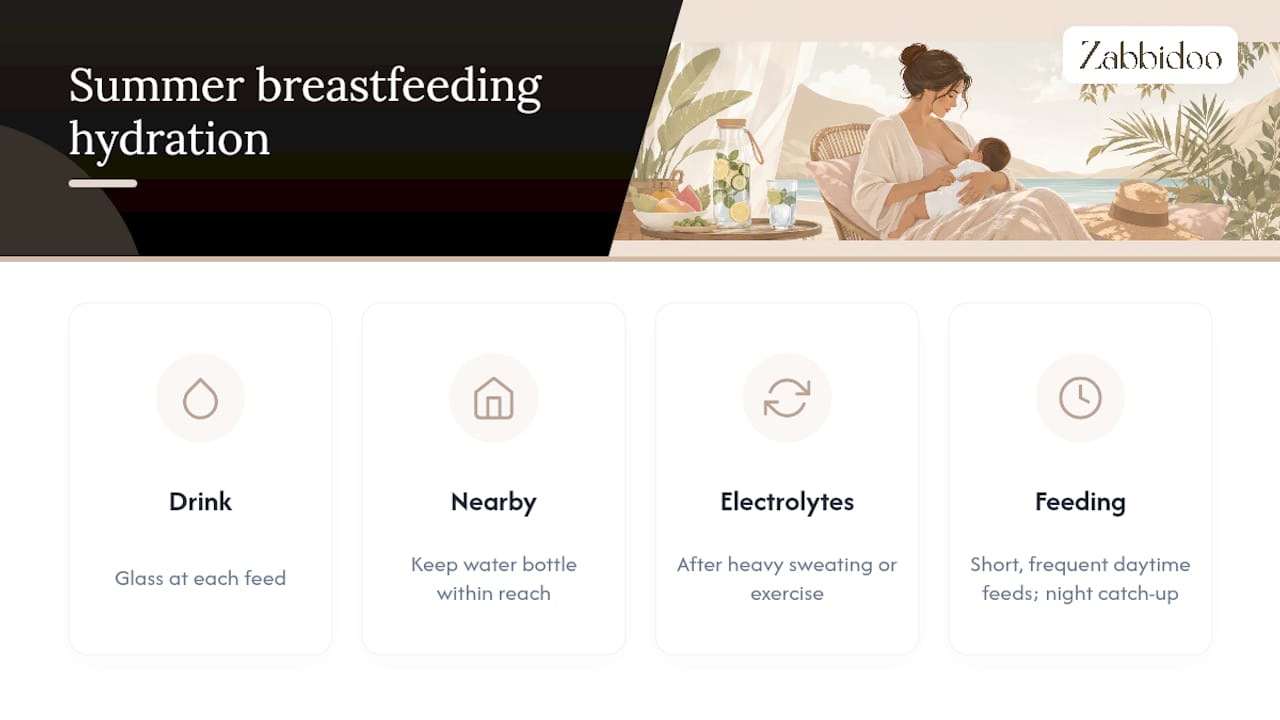
For you, hydration rules are simpler than they sound. Drink a glass at every feed, keep a water bottle within arm’s reach of wherever you usually nurse, and reach for an electrolyte drink if you’ve been outside, exercising, or sweating heavily. Heat often changes feeding patterns. Babies may take shorter, more frequent feeds during the day and catch up overnight, according to the Australian Breastfeeding Association. That’s a normal response to heat, not a sign your supply is dropping.
Watch your own body too. Pale, straw coloured urine is a good sign; dark urine, dizziness or a headache suggest you need more fluids before they start affecting your supply.
What are the warning signs of dehydration in a breastfed baby?
Most babies handle summer heat without any trouble, feeding a little more often and settling normally between times. Some signs, though, need immediate attention.
- Noticeably fewer wet nappies than usual, or nappies that feel light rather than heavy
- Dark yellow or strong-smelling urine
- Unusual lethargy, floppiness or difficulty waking for feeds
- A sunken soft spot on the head (fontanelle)
If you see any of these, move to a cool room, offer a feed straight away, and call your health line or GP if symptoms don’t ease quickly, a step both the Australian Breastfeeding Association, Healthier Together, and summer hydration and heat illness guidance for Florida families list as the right response to poor feeding or dehydration signs. In hot weather, check nappies a little more often than usual. A disposable nappy that still feels light after several hours is worth noting.
Which breastfeeding positions help you both stay cooler?
Full skin-to-skin contact during a feed traps heat between two bodies, and in a Brisbane or Adelaide summer that adds up fast. The football hold keeps baby’s body away from yours and only the head near your chest, which cuts down shared heat considerably. Side-lying works well for a lazy afternoon feed when you both need to cool off horizontally, and the laid-back position lets gravity do some of the work instead of you hunching forward to bring baby up.
Hunching is the hidden problem here. Leaning down to meet a baby who’s positioned too low warms your neck and chest and strains your back and shoulders at the same time. Support that lifts baby closer to breast height solves both issues at once, reducing hunching and opening up a small gap of airflow between you.
- Tuck a cool, damp cloth into the crook of your feeding arm before you start
- Angle baby’s body slightly away from yours rather than flush against your chest
- Use a stable support so you’re not constantly repositioning and generating more heat through movement
Pro Tip: If baby keeps sliding or you’re re-latching every few minutes, the support underneath is probably the problem, not your technique.
How do you plan outings and travel in hot weather safely?
Feeding away from home in summer takes a bit more planning, but the rules are straightforward.
- Schedule outings for early morning or early evening, and stick to shaded spots for feeds
- Check the pram seat’s temperature with your hand before placing baby in it, and use a ventilated pram liner rather than a thick padded one
- Never leave baby in a parked car, even briefly, and run the air conditioning before you load up rather than after
- Pack a refillable water bottle, cooled muslin cloths, spare clothes and a small insulated pouch for expressed milk if you’ll be out for hours, a combination recommended by New Beginnings
A small cooler bag earns its space in the pram basket on any day over 30 degrees.
How can breastfeeding parents manage their own heat exhaustion?
Watch yourself the way you watch your baby. Feeling faint, nauseous or unusually tired in the heat calls for a cool shower, a lie down and an electrolyte drink, not pushing through.
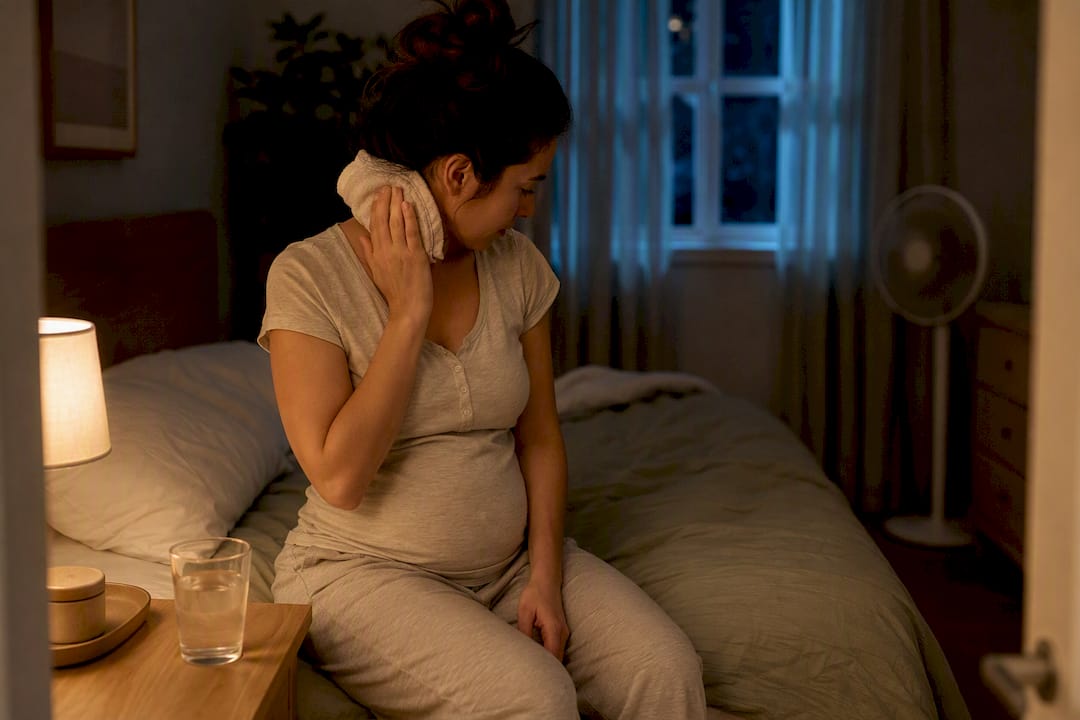
At night, light bedding and a fan angled across the room (never directly at baby) make feeds far more bearable. Running a cool washcloth over your neck and feet before a night feed helps you get back to sleep faster afterwards. Ask a partner or support person to take a settle so you get one uninterrupted stretch of rest. If exhaustion, low supply or feeding troubles persist beyond a few days, that’s worth raising with your GP or a lactation consultant rather than waiting it out.
How ergonomic support from Zabbidoo eases hot weather feeds
Hunching over a low or collapsing pillow does two things at once: it strains your neck and back, and it presses more of your body against baby’s, adding to the shared heat. A pillow with genuine height and stability under it changes both problems by bringing baby up to breast height instead of you folding down to meet them, the same principle covered in ergonomic breastfeeding support.
Zabbidoo’s nursing pillow was built around an 18cm lift specifically to solve this. A few practical summer uses:
- A hypoallergenic French flax linen cover breathes better than foam pressed against synthetic fabric
- Machine washable components matter more when sweat and milk spills are a daily fact of summer feeding
- A portable handle makes it easy to carry the pillow for feeds outside
| Feature | Summer benefit |
|---|---|
| 18cm lift | Reduces hunching and shared body heat |
| Compression resistant fill | Keeps support consistent through long, hot feeds |
| French flax linen cover | Breathable, less trapped sweat |
| Portable handle | Same support for outings and travel |
Why the usual summer breastfeeding advice misses the point
Most guides treat summer breastfeeding comfort as a hydration problem. Drink more, they say, and you’ll be fine. That’s true as far as it goes, but it skips the part that actually wears mothers down through January and February: posture.
Sitting hunched over a flattened pillow for forty minutes, six or seven times a day, in 34 degree heat is a genuinely different experience to doing the same feed with baby lifted to breast height and a foot of air between your bodies. The hydration advice from breastfeeding authorities is sound and worth following to the letter. But it treats the parent’s comfort as an afterthought to the baby’s safety, when in reality the two are connected. A parent who’s overheated, sore and exhausted by week three of summer is a parent whose supply and patience both start to slip.
If you take one thing from this, prioritise your positioning setup before you worry about anything else on a hot-weather checklist. Get that right, and the fluids, the fabric choices and the fan placement all become easier to manage, because you’re not fighting your own body on top of the heat.
— Marietjie
Get set up for a cooler summer with Zabbidoo
Zabbidoo built its nursing pillow around one problem competitors ignore: collapsing foam that forces you to hunch down to reach your baby, which adds strain and traps heat against your chest right when you need airflow most. The 18cm lift brings baby to you instead, and the French flax linen cover breathes through long summer feeds without holding onto sweat the way synthetic covers do.
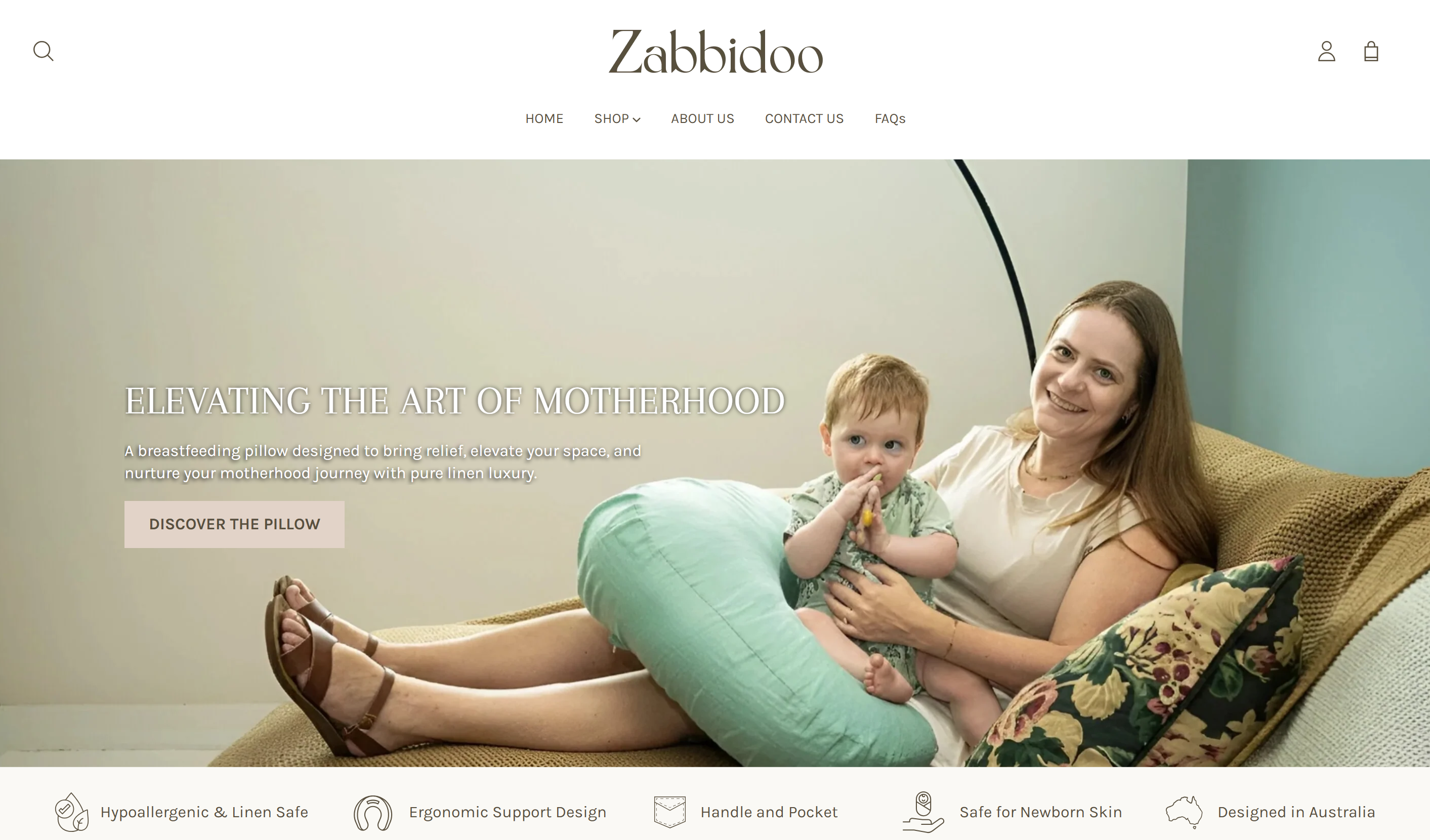
It suits new mums and other parents looking for firm, reliable feeding support on hot days. Machine washable components mean spills and sweat aren’t a daily hassle, and the portable handle means the same support travels with you to a shaded feed in the backyard or at the park. If summer feeds have been leaving you sore and overheated, have a look at the nursing pillow and see whether the height and stability make the difference your current setup is missing.
This article is general information, not a substitute for advice from a qualified doctor. Consult a qualified healthcare professional about your own circumstances before acting on anything here.
Sources
- Breastfeeding in hot weather | Australian Breastfeeding Association
- Breastfeeding in Summer or Hot Weather | La Leche League Canada
- Hot weather and feeding your baby | Healthier Together (NHS)
- When can babies have water | Cleveland Clinic