

Hypoallergenic pillows are defined as pillows made from materials that resist colonisation by common allergens, particularly dust mites, mould, and pet dander. The role of hypoallergenic pillows in allergy management is to reduce the allergen load you breathe in during the eight or so hours you spend with your face pressed against your bedding each night. For allergy sufferers and parents managing children’s sensitivities, this matters enormously. The National Asthma Education and Prevention Program recognises allergen reduction in the bedroom as a core strategy for asthma control, and the pillow is ground zero for that effort.
How do hypoallergenic pillows reduce allergen exposure?
Dust mites are the primary allergen target in any hypoallergenic bedding strategy. These microscopic creatures feed on shed skin cells and thrive above 65% humidity, which makes the warm, moist environment inside a pillow close to ideal for them. Over time, pillows accumulate dead skin cells, mite faecal pellets, and mould spores. Every time you move during sleep, these particles aerosolise and you inhale them directly.
Hypoallergenic pillow materials disrupt this cycle in two ways: by being physically inhospitable to mites, and by managing moisture. Natural latex, for example, has a dense, continuous cellular structure that resists mite colonisation and carries natural antimicrobial properties. Wool draws moisture away from the sleep surface and keeps humidity below the 65% threshold that mites need to survive. Memory foam’s dense cell structure similarly leaves little room for mites to establish themselves.

Material choice alone is not enough. Allergen-impermeable encasement covers provide a critical physical barrier. Dust mite allergens range from 10 to 40 microns in size, so effective covers must have a pore size of 6 microns or smaller to block them. This specification is not a marketing claim. It is a measurable technical standard recommended by allergy specialists and the Mayo Clinic.
The evidence is clear that no single intervention suffices. A pillow made from latex combined with an allergen-impermeable cover and regular washing produces far better results than any one measure alone. Think of it as a layered defence: the material resists mites, the cover blocks allergens from penetrating, and maintenance removes what accumulates on the surface.
Pro Tip: When buying an allergen-impermeable cover, look for the pore size specification on the packaging. If it is not listed, the cover may not meet the 6-micron standard needed to block dust mite allergens effectively.
- Dust mites need humidity above 65% to survive. Materials that wick moisture starve them of this condition.
- Dense materials like latex and memory foam leave no space for mite colonies to form.
- Allergen-impermeable covers with pore sizes of 6 microns or smaller physically block allergen penetration.
- A multi-component approach combining material, cover, washing, and humidity control delivers the best results.
What maintenance practices maximise hypoallergenic pillow benefits?
The best hypoallergenic pillow on the market loses its effectiveness without consistent upkeep. Maintenance is where most allergy sufferers fall short, and it is the most controllable variable in your bedroom allergen strategy.
-
Wash pillowcases weekly at 60°C. Weekly washing at 60°C kills dust mites and removes the allergen load that builds up on the surface. Lower temperatures do not reliably kill mites, so the temperature setting matters as much as the frequency.
-
Wash washable pillow fills every 2–3 months. Wool and polyester fills that are machine washable should be laundered on this schedule. This removes allergens that have penetrated through the pillowcase and begun to accumulate in the fill itself.
-
Use allergen-impermeable encasement covers at all times. These covers go directly over the pillow, under the pillowcase. They protect the fill from allergen penetration and are far easier to wash than the pillow itself.
-
Replace pillows on schedule. Experts recommend replacing pillows every 1–2 years for synthetic fills and every 5–8 years for latex. Even with diligent washing, allergen accumulation inside the fill increases over time. Replacement is not optional for allergy sufferers. For more detail on replacement timing, Zabbidoo’s pillow hygiene guide covers this thoroughly.
-
Control bedroom humidity. Keep bedroom humidity below 65% using a dehumidifier or air conditioning, particularly during humid Australian summers. This single environmental measure reduces mite survival rates significantly.
Pro Tip: Set a recurring calendar reminder every three months to wash your pillow fill and check your encasement cover for wear. Covers that develop small tears lose their protective function entirely.
How do different pillow materials compare in allergy resistance?
Choosing the right fill is the most consequential decision when buying hypoallergenic pillows. Each material offers a different balance of allergen resistance, comfort, and maintenance requirements. Understanding these trade-offs helps you match the pillow to your specific allergy type and sleep preferences.
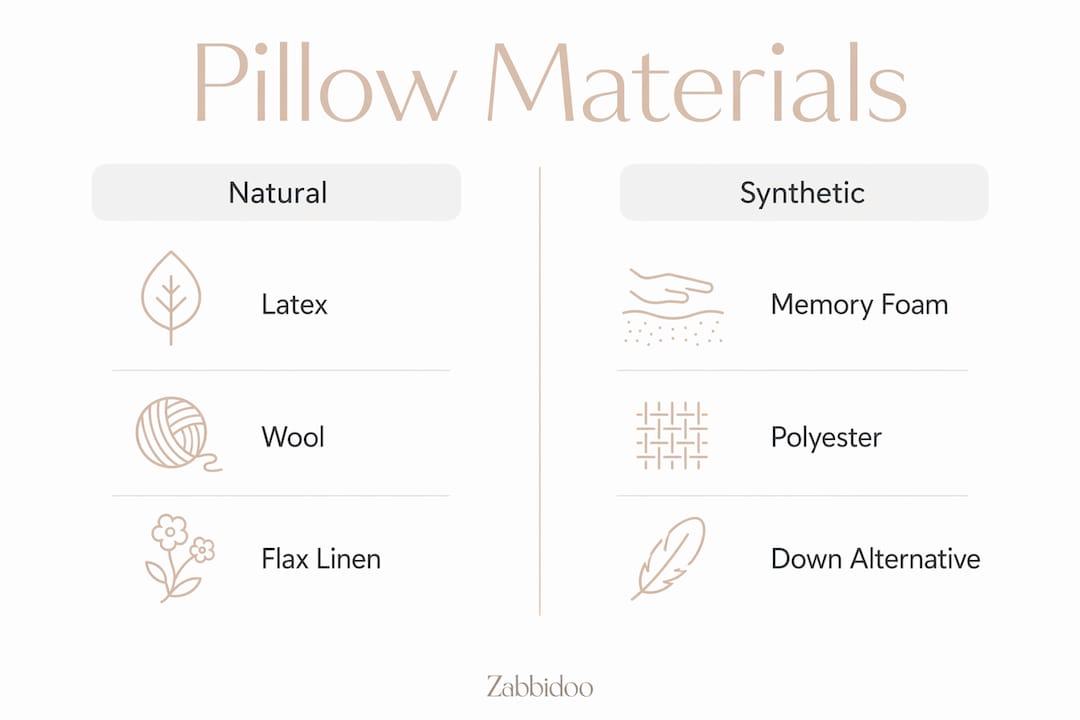
| Material | Allergen resistance | Comfort profile | Maintenance |
|---|---|---|---|
| Natural latex | Very high. Dense structure resists mites and mould. | Firm, heavier feel. | Spot clean only. Not machine washable. |
| Wool | High. Moisture-wicking keeps humidity below mite threshold. | Medium firmness, breathable. | Machine washable. |
| Memory foam | High. Dense cell structure leaves no space for mites. | Firm, retains heat. | Spot clean only. |
| Polyester/down alternative | Moderate. Washable but can harbour mites without regular laundering. | Soft, lightweight. | Machine washable. |
| Down and feather | Low. Porous structure supports mite and mould growth. | Soft, luxurious feel. | Not recommended for allergy sufferers. |
Natural latex and wool consistently perform best for allergy resistance. Latex resists mites due to its dense cellular structure and antimicrobial properties. Wool manages moisture actively, which removes the humidity conditions mites depend on. Both materials come with trade-offs: latex is heavier and firmer, and is unsuitable for anyone with a latex allergy. Wool requires checking the care label carefully, as not all wool pillows are machine washable.
Memory foam sits in a strong middle position. Its density makes it resistant to mites, and it is widely available at various price points. The downside is heat retention, which can be uncomfortable for warm sleepers and may paradoxically raise localised humidity around the sleep surface.
Polyester and down alternative fills are the most affordable and easiest to wash, which makes them a practical choice for parents managing children’s bedding. The catch is that they require strict washing discipline. Without regular laundering, polyester fills can harbour mite populations just as effectively as any other material. Down and feather fills are best avoided entirely by allergy sufferers. Their porous structure supports both mite colonisation and mould growth, and they are difficult to wash at the temperatures needed to kill mites.
Chemical sensitivities add another layer of complexity. Some people react to the off-gassing from new memory foam or to the processing chemicals used in synthetic fills. If chemical sensitivity is a concern, look for fills with OEKO-TEX Standard 100 certification, which tests for harmful substances.
For a detailed comparison of premium pillow materials and their specific properties, Zabbidoo’s material guide covers the key differences relevant to both allergy prevention and sleep comfort.
What should allergy sufferers and parents know when choosing?
The term “hypoallergenic” carries no regulatory definition. The label is often a marketing claim without a technical standard behind it. This means you cannot rely on the word alone when selecting a pillow. Focus instead on the specific material properties, certifications like Asthma & Allergy Friendly, and the pore size rating of any encasement cover.
Practical selection advice for allergy sufferers and parents:
- Match the pillow to your allergy type. Dust mite allergy responds best to latex, wool, or memory foam with an impermeable cover. Mould sensitivity benefits most from moisture-wicking materials like wool. Latex allergy rules out natural latex entirely, regardless of its other benefits.
- Always use an allergen-impermeable cover. The fill material matters, but the cover is your primary physical barrier. Use one regardless of which fill you choose.
- Balance comfort with performance. Denser materials resist mites better but feel firmer. If you find latex too firm, a wool or memory foam option with a good encasement cover is a reasonable compromise.
- For children, prioritise washability. Children with asthma and dust mite allergies show consistent benefits from allergen-impermeable covers. Easy-to-wash synthetic fills with strict laundering schedules are a practical choice for kids’ bedding.
- Integrate pillow choice with broader bedroom hygiene. Hypoallergenic pillows work best alongside allergen-reducing mattress covers, regular vacuuming with a HEPA filter, and humidity control. A good pillow in a poorly managed bedroom still leaves you exposed.
- Check for latex allergy before purchasing. Latex allergy affects a meaningful proportion of the population, including some healthcare workers and children with spina bifida. Symptoms can range from skin irritation to severe reactions.
The importance of hypoallergenic pillows is real, but their effectiveness depends on how you use and maintain them. A well-chosen pillow with consistent care outperforms an expensive pillow that is never washed.
Key takeaways
Hypoallergenic pillows reduce allergen exposure most effectively when material choice, allergen-impermeable covers, regular maintenance, and bedroom humidity control are combined into a single consistent approach.
| Point | Details |
|---|---|
| Material matters most | Natural latex and wool offer the strongest allergen resistance due to density and moisture management. |
| Covers are non-negotiable | Allergen-impermeable covers with pore sizes of 6 microns or smaller block dust mite allergens physically. |
| Maintenance drives results | Wash pillowcases weekly at 60°C and replace pillow fills every 1–2 years to prevent allergen build-up. |
| “Hypoallergenic” is not regulated | Focus on certifications like Asthma & Allergy Friendly and specific material properties, not marketing labels. |
| Children benefit most from covers | Research shows consistent symptom improvement in children with asthma when allergen-impermeable covers are used. |
What I have learned about hypoallergenic pillows after years of watching families manage allergies
The most common mistake I see is treating a hypoallergenic pillow as a set-and-forget solution. Families invest in a quality latex or wool pillow, feel good about the purchase, and then skip the encasement cover or forget to wash the pillowcase for three weeks. The pillow cannot do its job in isolation.
The second issue is the marketing noise around the word “hypoallergenic.” I have seen pillows labelled hypoallergenic that contain polyester fills with no encasement cover and no washability guidance. The label means almost nothing without the technical detail behind it. Certifications like Asthma & Allergy Friendly give you something concrete to verify.
What actually works, in my experience, is the boring stuff: consistent washing, a properly rated cover, humidity below 65%, and replacing pillows on schedule. The material choice matters, but it is the third or fourth most important variable, not the first. Parents managing a child’s asthma often see the most meaningful improvement not from switching pillow materials but from adding an impermeable cover and committing to weekly pillowcase washing.
The trade-off between comfort and allergen resistance is real and worth acknowledging honestly. Latex is excellent for mite resistance, but if someone cannot sleep on a firm pillow, they will not use it consistently. A slightly less resistant material that someone actually sleeps on every night beats a perfect material that ends up on the floor. Allergy management that ignores comfort is allergy management that fails.
— Marietjie
Hypoallergenic bedding solutions worth considering
If you are ready to move beyond general advice and into a specific product decision, Zabbidoo’s range of hypoallergenic pillows and bedding options is worth a close look.
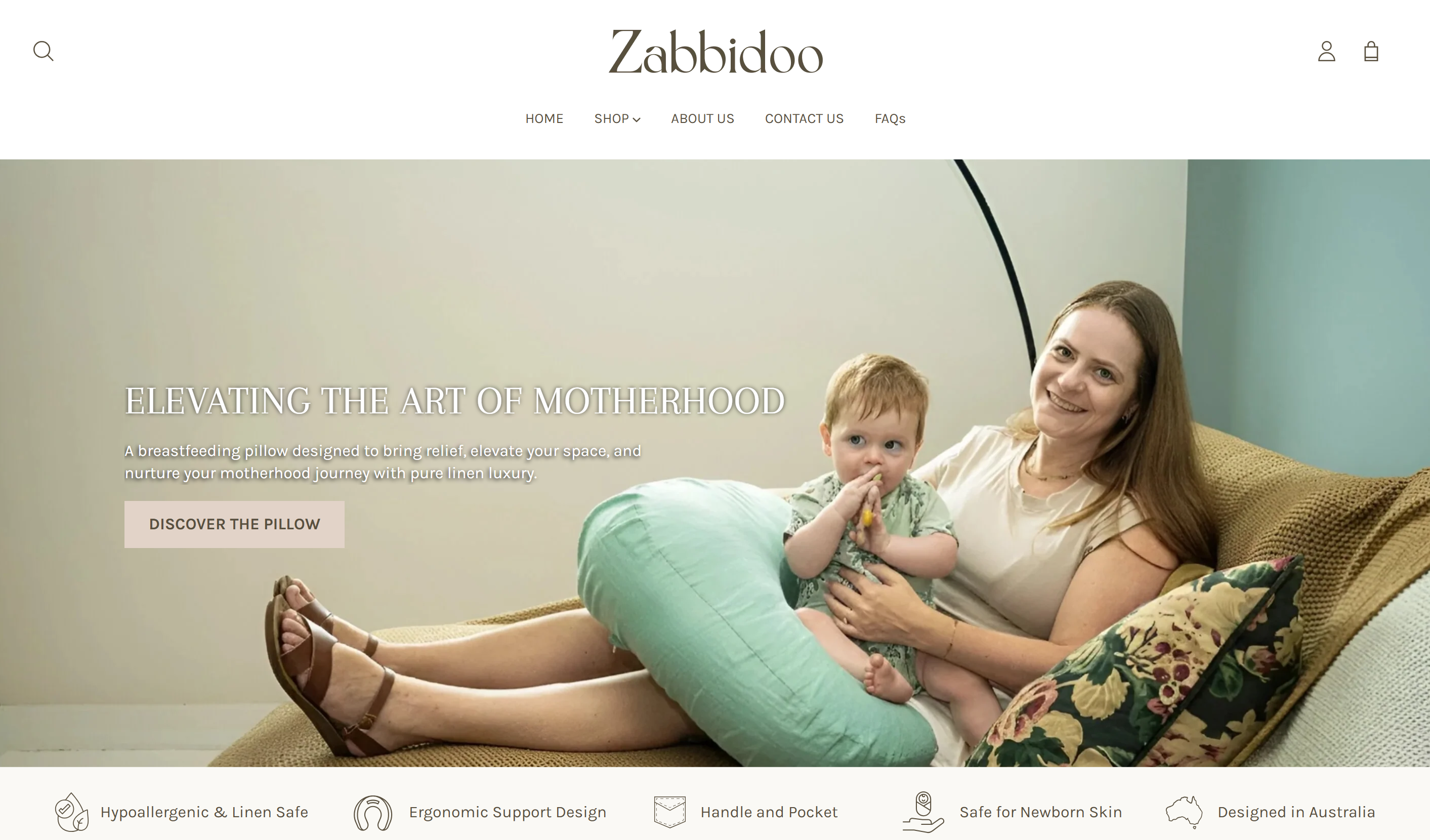
Zabbidoo designs pillows with premium materials, including breathable French flax linen covers, that prioritise both allergen resistance and genuine sleep comfort. The focus is on pillows that hold their shape, manage moisture, and work within a broader allergen management routine. Whether you are managing your own sensitivities or setting up a healthier sleep environment for your child, the Zabbidoo pillow range includes detailed care guidance alongside each product. Good bedding decisions start with good information, and Zabbidoo makes both available in one place.
FAQ
What does “hypoallergenic” actually mean for pillows?
The term has no regulatory definition, so it functions largely as a marketing label. Focus on specific material properties, pore-rated encasement covers, and certifications like Asthma & Allergy Friendly rather than the word alone.
Are hypoallergenic pillows effective for dust mite allergies?
Yes, when combined with allergen-impermeable covers rated at 6 microns or smaller, regular washing at 60°C, and humidity control below 65%. No single measure works reliably on its own.
How often should I replace a hypoallergenic pillow?
Synthetic fills should be replaced every 1–2 years. Latex pillows last considerably longer, typically 5–8 years, but still accumulate allergens over time and require encasement covers throughout their lifespan.
Which pillow material is best for allergy sufferers?
Natural latex and wool offer the strongest allergen resistance. Latex resists mites through its dense structure, while wool manages moisture to keep humidity below the level mites need to survive. Both require allergen-impermeable covers for best results.
Are hypoallergenic pillows safe for children with asthma?
Research shows children with asthma and dust mite allergies benefit consistently from allergen-impermeable covers. For children, easy-to-wash synthetic fills with strict laundering schedules are practical. Avoid latex if there is any known or suspected latex sensitivity.