

Postpartum recovery must-haves in Australia are the physical and emotional support items that help new mothers heal comfortably and thrive during early motherhood. Clinically, this period is called the fourth trimester, covering the first 12 weeks after birth. The right postnatal recovery essentials make a measurable difference to how quickly and comfortably you recover, whether you’ve had a vaginal birth or a caesarean. Preparing your kit before your due date means you spend less time scrambling and more time bonding with your baby.
What are the postpartum recovery must-haves Australia new mothers need?
Physical recovery after birth is more demanding than most antenatal classes suggest. Postpartum bleeding (lochia) is heavier and longer than a normal period, lasting up to 6 weeks. Standard supermarket pads lack the coverage and elasticity needed to manage it safely. Specialised maternity pads and disposable postpartum underwear are the first items to stock up on.
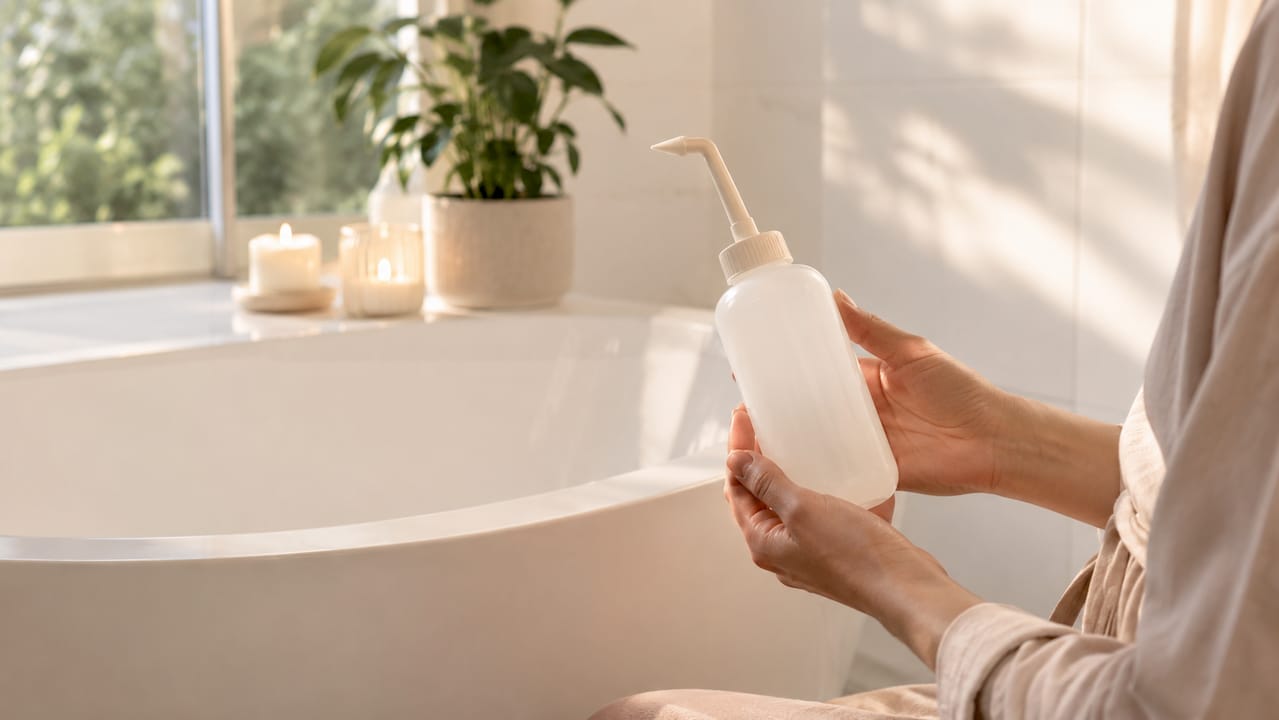
Perineal care is equally non-negotiable. A peri bottle around 360ml allows gentle, targeted rinsing without straining stitches or tender tissue. Upside-down designs are particularly effective for women recovering from perineal tears or a caesarean. Witch hazel wipes and a perineal spray round out a complete hygiene kit.
Hydration and nutrition directly support healing. Breastfeeding mothers need an additional 450–500 calories and 2–3 litres of fluids daily to support both milk production and physical recovery. That means keeping a large water bottle and easy snacks within arm’s reach at all times.
Pro Tip: Pack a small basket with your peri bottle, witch hazel wipes, maternity pads, and pain relief before you go into labour. You will not want to search for these items when you get home.
How to prepare your hospital bag with postnatal recovery items
Most Australian mothers pack their hospital bag in the final few weeks of pregnancy. That timing is right. Leaving it later adds unnecessary pressure when your body and mind are already working hard.
Australian hospitals vary in what they provide during the first 24–48 hours. Basic mesh underwear and maternity pads are often available, but they may not meet your comfort needs. Bringing your own supplies means you are never relying on whatever happens to be in stock.
The items most worth packing yourself include:
- Maternity pads (at least two packs for the first days)
- Disposable postpartum underwear for easy changes without discomfort
- Peri bottle for gentle cleansing after each bathroom visit
- Nursing bras (two or three, in your estimated post-birth size)
- Soft breast pads to manage early leaking
- Loose, dark-coloured nightwear that opens at the front for feeding
- Nipple cream such as a lanolin-based product
- Toiletries and lip balm (hospital air is dry)
- Snacks and a large water bottle for labour and recovery
- Phone charger and headphones for long quiet stretches
Setting up a recovery station at home before you leave for hospital is just as important as the bag itself. Having recovery items easily accessible supports a smoother transition from hospital and reduces stress during the first exhausting days. Stock it with everything from your hospital bag list, plus extra pads, pain relief, and a feeding pillow.
Pro Tip: Place your home recovery station at the spot where you plan to feed most often, whether that’s the couch, a nursing chair, or your bed. Everything you need should be within reach without standing up.
What postpartum supports aid breastfeeding comfort and emotional well-being?
Breastfeeding comfort depends on more than technique. The physical setup around each feed directly affects how long you can sustain it without pain or fatigue. The right fourth trimester comfort products reduce strain on your neck, back, and wrists during every session.
Key items that support breastfeeding and emotional well-being include:
- A well-fitted nursing bra that provides support without underwire pressure on milk ducts
- Soft, washable breast pads to manage leaking between feeds
- Nipple cream applied after every feed to prevent cracking and soreness
- A nursing pillow that lifts your baby to your breast rather than forcing you to hunch down
- A large water bottle kept at your feeding spot at all times
- Easy-access clothing such as button-front tops or nursing singlets
A nursing pillow is one of the most underestimated items on this list. Most standard pillows collapse under the weight of a baby, which means you end up hunching forward and straining your lower back within minutes. Zabbidoo’s nursing pillow sits 18cm high and holds its shape under pressure, bringing your baby up to you rather than pulling you down to them. That single difference reduces neck and back strain significantly across multiple daily feeds.
Emotional well-being is also shaped by how prepared and capable you feel. Preparing physical recovery tools enhances maternal confidence and supports bonding during this critical transition. Feeling organised is not a luxury. It is a genuine health benefit.
How do supportive garments and tools aid abdominal and perineal healing?
Compression support wear does more than hold things together. It assists abdominal muscle recovery, improves posture, and reduces back pain during breastfeeding and daily activity. This matters whether you’ve had a vaginal birth or a caesarean.
| Recovery need | Recommended item | Key benefit |
|---|---|---|
| Abdominal muscle support | Compression shorts or abdominal binder | Reduces strain on weakened core muscles |
| Perineal soreness | Witch hazel wipes, perineal spray | Soothes and cleanses without irritation |
| Swelling and cramping | Cold and warm packs | Reduces inflammation and eases afterpains |
| C-section incision care | High-waisted, soft-waistband underwear | Avoids pressure directly on the incision line |
| Posture during feeding | Ergonomic nursing pillow | Supports upright position and reduces back strain |
When choosing compression garments, prioritise breathable, soft fabrics. Synthetic materials trap heat and moisture, which slows healing and increases discomfort. Natural fibres or moisture-wicking blends are a better choice for the first weeks.
Over-the-counter pain relief such as ibuprofen is effective for managing postpartum pain in the short term. Any pain that is severe, worsening, or unresolved after a few days requires a conversation with your GP or midwife. Do not wait it out.
Pro Tip: Keep a cold pack in the freezer and a warm pack in a drawer near your recovery station. Alternating between the two is more effective for afterpains than using either alone.
Key takeaways
The most effective postpartum recovery plan combines perineal care, compression support, proper nutrition, and ergonomic feeding aids prepared before your due date.
| Point | Details |
|---|---|
| Prepare before your due date | Pack your hospital bag and set up a home recovery station in the final weeks of pregnancy. |
| Prioritise perineal care | A peri bottle, witch hazel wipes, and a perineal spray are non-negotiable for hygiene and comfort. |
| Support breastfeeding physically | A nursing pillow that holds its shape reduces neck and back strain across every feed. |
| Hydrate consistently | Breastfeeding mothers need 2–3 litres of fluids daily to support both milk supply and healing. |
| Treat self-care as healthcare | Organising recovery tools in advance builds maternal confidence and reduces postpartum stress. |
What I’ve learned about setting up for postpartum recovery
Most advice about postpartum recovery focuses on what to buy. The harder lesson is that how you set things up matters just as much as what you have.
I’ve seen mothers arrive home from hospital with a full bag of supplies and still struggle because nothing was within easy reach. The first days are exhausting in a way that is genuinely hard to anticipate. Getting up from the couch to find a pad or a water bottle feels enormous when you’re sore, sleep-deprived, and learning to feed a newborn at the same time.
The recovery station idea sounds simple, but it changes everything. One spot, waist height, stocked with everything you need for the next few hours. You stop making decisions about where things are and start focusing on your baby and yourself.
The other thing I’d say honestly is this: postpartum recovery is not linear. Some days feel manageable and others feel like a setback. That variability is normal. It does not mean you’re doing anything wrong. The mothers who come through the fourth trimester with the least distress are almost always the ones who prepared physically and gave themselves permission to ask for help.
Comfort is not indulgence. It is the foundation of good recovery.
— Marietjie
Zabbidoo’s nursing pillow and postpartum support range
Recovery after birth is physical work, and the right tools make it less hard. Zabbidoo was built around one clear idea: new mothers deserve products that actually hold up under the demands of early motherhood.
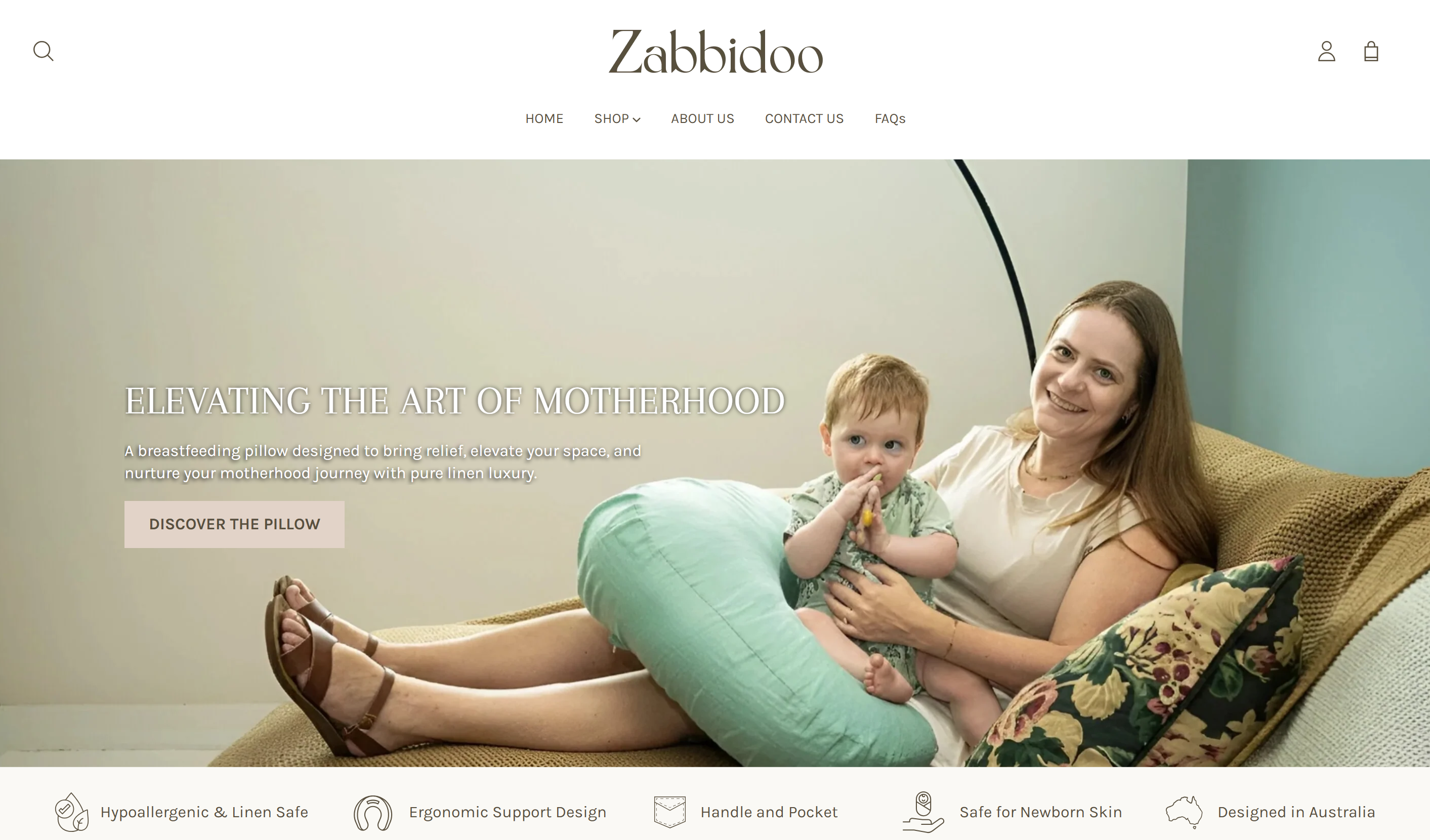
The Zabbidoo nursing pillow sits 18cm high and is made with French flax linen for breathability and durability. It brings your baby to you rather than pulling your posture down, which protects your neck, back, and wrists across every feed. Unlike pillows that flatten within days, Zabbidoo maintains its shape under repeated use. Browse the full range at Zabbidoo and find the ergonomic breastfeeding support your recovery deserves.
FAQ
How long does postpartum bleeding last?
Postpartum bleeding (lochia) typically lasts 4–6 weeks. It is heavier than a normal period and requires specialised maternity pads rather than standard sanitary products.
What should I pack in my hospital bag for postpartum recovery in Australia?
Pack maternity pads, disposable underwear, a peri bottle, nursing bras, breast pads, nipple cream, loose front-opening nightwear, snacks, and a large water bottle. Australian hospitals provide basic supplies but personal comfort items make a significant difference.
How much water should a breastfeeding mother drink each day?
Breastfeeding mothers need 2–3 litres of fluids daily to support milk production and physical recovery. Keeping a large water bottle at your feeding station makes it easier to meet this target consistently.
Does a nursing pillow really help with postpartum recovery?
A nursing pillow that maintains its height and firmness reduces strain on your neck, back, and wrists during feeds. Pillows that collapse force you to hunch forward, which worsens posture and increases pain over time.
When should I see a doctor about postpartum pain?
Over-the-counter pain relief manages most postpartum discomfort in the short term. Pain that is severe, worsening, or persists beyond a few days without improvement requires assessment by your GP or midwife.