

The weeks after birth are genuinely hard. You are healing physically, adjusting emotionally, and keeping a tiny human alive on very little sleep. Knowing which essentials for postpartum support to have on hand before your baby arrives makes a measurable difference to how smoothly that early period goes. According to the American Pregnancy Association, while the postpartum period is commonly defined as the first six weeks, recovery continues for months beyond that. This guide cuts through the noise and gives you exactly what you need to feel prepared, not overwhelmed.
Table of Contents
- Key takeaways
- 1. Choosing the right essentials for postpartum support
- 2. Hygiene and perineal care products
- 3. Comfort wear and pain management
- 4. Breastfeeding and physical recovery essentials
- 5. Emotional and mental health essentials
- 6. Comparing postpartum essentials by need and budget
- Marietjie’s perspective
- Zabbidoo’s nursing pillow: designed for real recovery
- FAQ
Key takeaways
| Point | Details |
|---|---|
| Hygiene comes first | Use super-absorbent sanitary towels and avoid tampons until after your six-week check to reduce infection risk. |
| Watch for warning signs | Heavy bleeding, fever, or mood changes warrant prompt medical attention, not a “wait and see” approach. |
| Breastfeeding comfort matters | An ergonomic nursing pillow reduces neck, back, and wrist strain during the many hours spent feeding. |
| Mental health is physical health | Mood tracking and early professional screening are non-negotiable parts of postnatal recovery, not optional extras. |
| Match products to your birth type | C-section recovery and vaginal birth recovery call for different products and timelines. |
1. Choosing the right essentials for postpartum support
Before you add anything to your hospital bag or postpartum kit, it helps to have a clear framework for evaluating what actually belongs there. Not every product marketed to new mothers is worth the shelf space.
Here is what to use as your filter:
- Infection prevention. The first two weeks postpartum carry the highest risk of serious complications, including haemorrhage, infection, and postpartum depression. Any product that contacts healing tissue needs to be clean, breathable, and changed regularly.
- Comfort and pain relief. Perineal pain, swelling, and after-pains from uterine involution are real. Products that address these directly should be prioritised over decorative ones.
- Physical recovery support. This includes breastfeeding, mobility, and pelvic floor rehabilitation. Your body did something enormous. Give it the tools to rebuild.
- Mental health monitoring. Mood journals, screening tools, or access to counselling belong in your postpartum plan just as much as sanitary pads.
- Emergency awareness. Heavy bleeding, foul discharge, fever, and mood changes require prompt medical consultation. Your kit should include a written list of warning signs and your midwife or GP contact details.
Pro Tip: Write your warning signs list on a card and stick it to your fridge during the first two weeks. When you are sleep-deprived and anxious, you will not reliably remember what you read in a brochure.
2. Hygiene and perineal care products
This is the category most people underpack for. Postpartum bleeding, known as lochia, is heavier than most people expect. Lochia starts red in the first week and gradually fades over three to four weeks. Managing it well is about more than comfort. It is about infection prevention.
Stock up on:
- Super-absorbent maternity sanitary towels. Tampons must be avoided until after your six-week check because they introduce bacteria into still-healing tissue. Maternity pads are wider, longer, and more absorbent than standard period pads.
- Perineal spray or rinse bottle. Warm water applied to the perineum during urination dramatically reduces stinging. This is one of the most underrated items in any postpartum hygiene kit.
- Witch hazel pads or cooling gel pads. These reduce swelling and provide relief for stitches or haemorrhoids. Keep them in the fridge for extra comfort.
- Gentle, fragrance-free wash. After a vaginal birth with stitches, keeping the area clean and dry is the single most effective way to prevent infection. Skip anything perfumed.
- Stool softeners and fibre supplements. Fear of the first bowel movement after birth is extremely common. The NHS notes that avoiding this out of fear worsens outcomes. Hydration and gentle toileting aids reduce complications significantly.
Pro Tip: Pre-make a batch of “padsicles” before your due date. Soak maternity pads in aloe vera gel and witch hazel, wrap them individually, and freeze. They are soothing, ready immediately, and cost almost nothing.
3. Comfort wear and pain management
Your body is tender in places you did not expect. The right clothing and pain tools make the difference between being able to move around and staying stuck in bed longer than necessary.
Heat packs and cold compresses address different needs. Cold is best in the first 24 to 48 hours for swelling and bruising. Heat helps with after-pains, back aches, and engorgement relief from about day two or three onward. Having both on hand means you are not improvising with frozen peas.
Postpartum underwear deserves its own mention. High-waisted, seamless styles hold a pad in place, provide light abdominal support, and feel far better against tender skin than your regular underwear. For C-section recovery, look for styles that sit above the incision rather than across it.
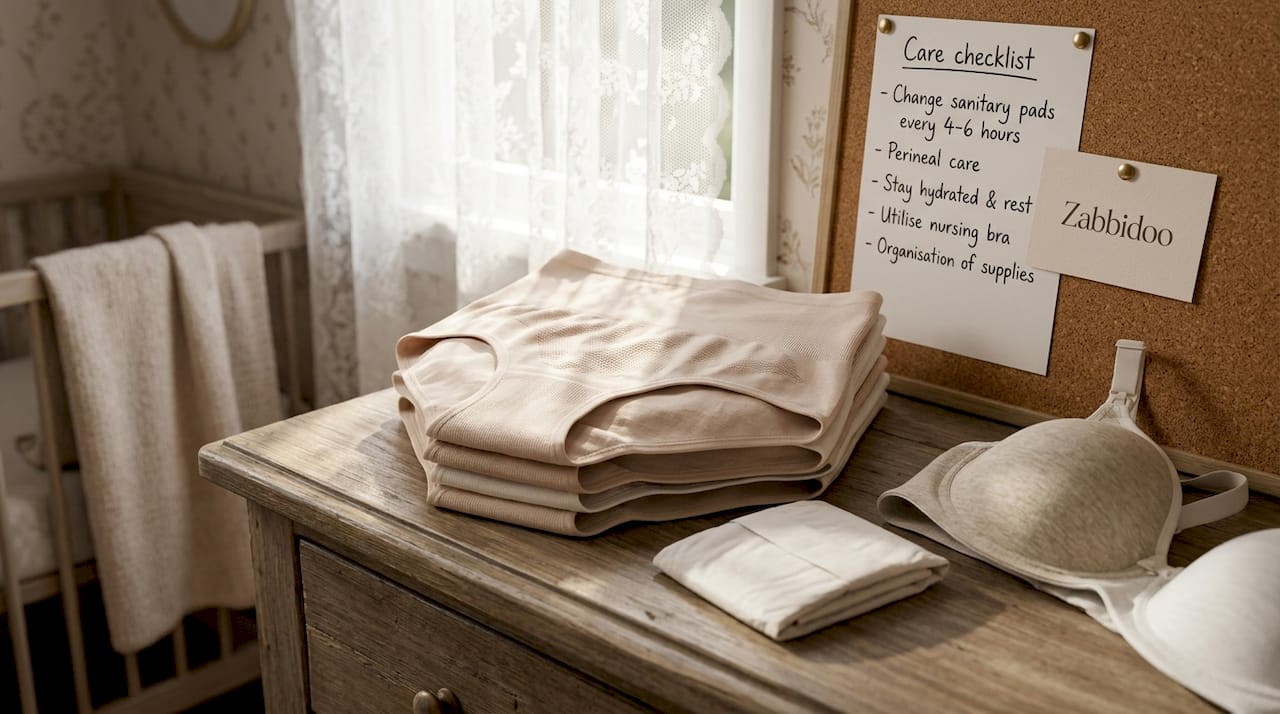
A supportive nursing bra is also non-negotiable. Your breast size will fluctuate dramatically in the first few weeks. A bra with adjustable fit that opens easily for feeding prevents unnecessary contortion while also reducing pressure on engorged breast tissue.
4. Breastfeeding and physical recovery essentials
Breastfeeding is a physical skill that takes time to establish. Having the right tools reduces pain and increases your chances of continuing if that is your goal.
- Nipple cream. Lanolin-based creams or coconut oil applied after every feed protect cracked and sore nipples. Hydrogel discs offer cooling relief between feeds and can be stored in the fridge.
- Breast pads. Leaking is unpredictable in the early weeks. Washable bamboo pads are softer and more sustainable than disposable ones. Have at least 10 pairs so you always have clean ones available.
- An ergonomic nursing pillow. This is where many mothers quietly suffer. Most standard pillows collapse under the weight of a baby, forcing you to hunch forward. That sustained posture causes real neck, back, and wrist strain across dozens of daily feeds. A well-designed pillow brings the baby up to you, supporting a better latch with less physical effort. See the ergonomic breastfeeding comfort guide for a detailed breakdown of what to look for.
- Pelvic floor rehabilitation tools. Your pelvic floor took significant load during pregnancy and birth. Guided pelvic floor programmes, via a physiotherapist or a reputable app, rebuild strength progressively and reduce incontinence risk over time. Start gently and early.
- Hydration and nutrition. Breastfeeding increases your caloric and fluid needs substantially. A large, easy-to-hold water bottle at your feeding station is one of the simplest postpartum recovery tips you can follow. Pre-prepare snacks that require one hand to eat.
5. Emotional and mental health essentials
Physical healing gets most of the attention, but emotional recovery is equally demanding. Up to 80% of new mothers experience some form of the “baby blues” in the first two weeks, characterised by tearfulness, mood swings, and anxiety. Baby blues typically improve within about two weeks. When they do not, that is the signal to seek professional support, not to push harder.
“Postpartum self-care is not about doing more. It is about supporting your nervous system with rest, connection, and realistic expectations.” This framing, supported by Psychology Today’s research on postpartum recovery, shifts the focus from achievement to restoration. That shift matters enormously.
Practical tools worth including in your emotional wellness plan:
- A mood and symptom journal. Even brief daily notes help you spot patterns that are hard to see in the moment. Many women dismiss worsening symptoms as “just tiredness” for too long.
- A professional screening appointment. Structured postpartum contact within three weeks of birth is considered a clinical standard, not an optional check-in. Push for this appointment if your care team does not initiate it.
- Online or in-person support communities. Connecting with other mothers who are in the same stage reduces isolation substantially. This is particularly relevant if your social support network is limited.
- Access to counselling. Resources like postpartum depression support through iMind Mental Health Solutions offer professional guidance that is accessible from home, which matters enormously in the early weeks when leaving the house is a significant undertaking.
6. Comparing postpartum essentials by need and budget
Not everything on this list carries equal urgency. Here is a practical breakdown to help you prioritise:
| Category | Must-have item | Budget option | When to invest more |
|---|---|---|---|
| Hygiene | Maternity sanitary towels | Supermarket brand pads | Perineal irrigation bottle (under $20) |
| Perineal comfort | Witch hazel cooling pads | DIY padsicles (aloe and witch hazel) | Cooling gel pads for C-section incision care |
| Breastfeeding | Nipple cream | Coconut oil from your kitchen | Ergonomic nursing pillow with shape retention |
| Pain management | Heat pack and cold compress | Microwave heat bag, zip-lock ice pack | Tens machine for after-pains |
| Emotional wellbeing | Mood journal | Notes app on your phone | Professional counselling or app-based therapy |
| Physical recovery | Pelvic floor guidance | Free NHS or government health resources | Pelvic physiotherapist sessions |
| Comfort wear | Postpartum underwear | High-waisted seamless knickers | Supportive nursing bra with adjustable fit |
For most mothers, the items in the “must-have” column are non-negotiable regardless of budget. The “invest more” column matters most in areas where you will spend significant time, like breastfeeding. If you feed eight to twelve times a day for months, the quality of your nursing pillow has a direct and cumulative effect on your physical comfort and your feeding success.
Marietjie’s perspective
I have spoken with a lot of new mothers over the years, and the pattern I see most often is this: they over-prepare for labour and under-prepare for recovery. The hospital bag gets packed weeks in advance with carefully chosen items. The postpartum period gets a vague mental note and a promise to “figure it out.”
What I have come to believe is that the most important thing you can do before your baby arrives is treat your recovery as seriously as your birth plan. That means ordering postnatal care essentials before you need them, not after. Because once you are home, exhausted, and sore, making decisions and placing online orders is the last thing you have capacity for.
The second thing I will say, and this is the one most often pushed aside: emotional support is not a luxury. I have seen women dismiss postpartum anxiety and low mood for weeks because they felt they “should” be coping better. The clinical standard exists precisely because symptoms are easy to normalise and hard to self-assess when you are inside them. If your GP or midwife does not raise it, you raise it.
And on the physical side: the right nursing pillow is not a small thing. I know it sounds like a minor product detail, but if you are hunching over a collapsed pillow for every feed, you are accumulating real strain in your neck, shoulders, and wrists over hundreds of sessions. That strain adds up. Good support means you can feed comfortably and actually recover at the same time, rather than creating a new injury while trying to heal from the birth.
— Marietjie
Zabbidoo’s nursing pillow: designed for real recovery
If feeding comfort has been a source of stress rather than ease, the Zabbidoo nursing pillow was designed specifically to address that. Most nursing pillows collapse under a baby’s weight, which means you end up compensating by hunching forward. Over weeks of feeding, that posture causes genuine discomfort.
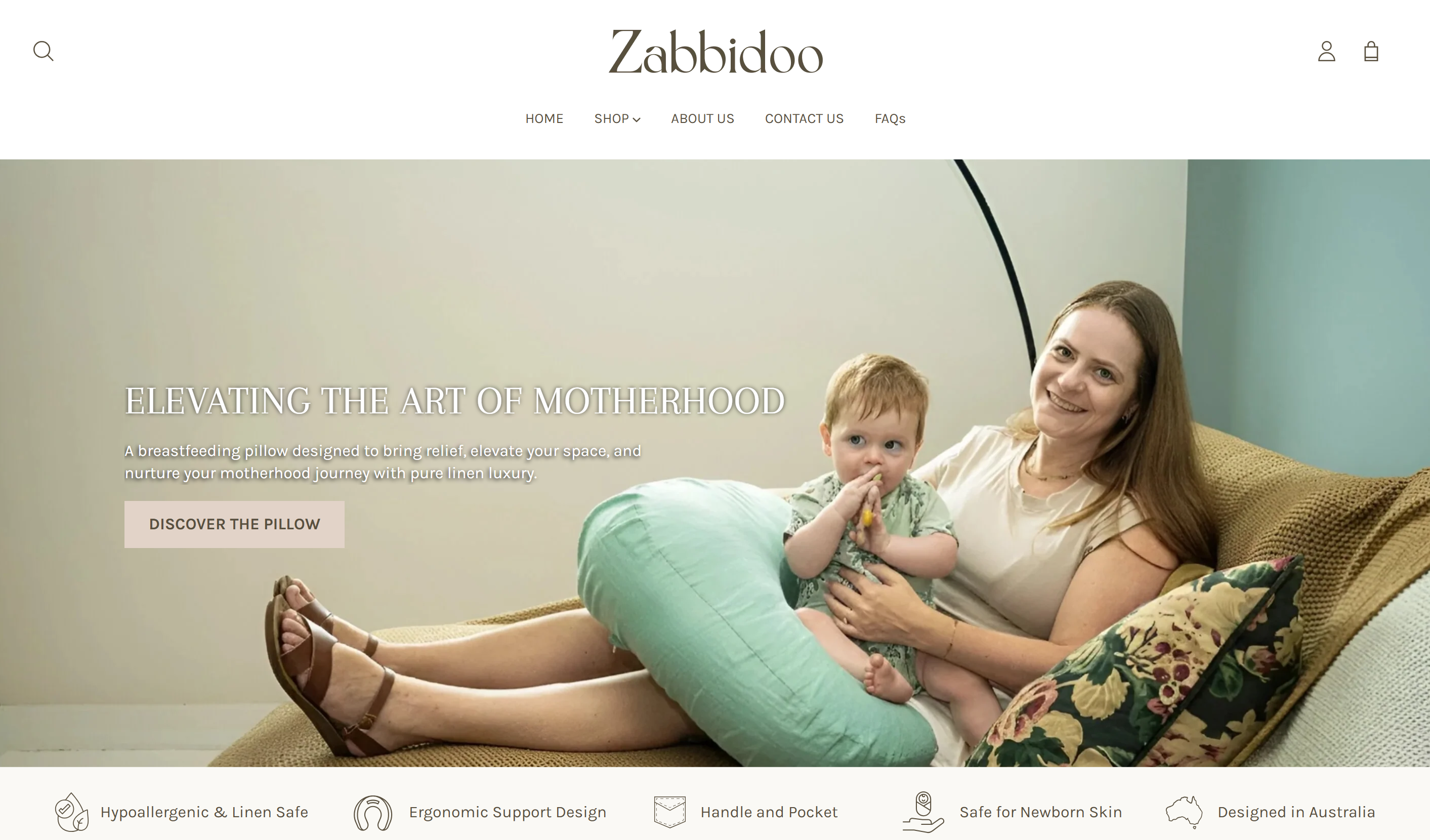
Zabbidoo’s pillow sits at 18cm high, bringing your baby up to you rather than pulling you down to them. It holds its shape under pressure, reduces strain on your neck, back, and wrists, and is made from breathable French flax linen that stays comfortable across long feeds. It works for newborn feeding, tummy time, and as a support tool throughout your C-section recovery. Explore the Zabbidoo nursing pillow and see why it is one of the top postpartum items recommended for mothers who take their recovery seriously.
FAQ
What are the most important essentials for postpartum support?
The highest-priority items are super-absorbent maternity sanitary towels, perineal care products, pain relief tools, a supportive nursing pillow, and access to mental health screening. These address the most common and impactful physical and emotional challenges in the early postpartum period.
How long does postpartum bleeding last?
Lochia typically starts red and heavy in the first week, then gradually fades and stops within three to four weeks. Contact your midwife or GP if bleeding is unusually heavy, clotted, or has a foul smell.
When should I see a doctor after birth?
Structured postpartum contact within three weeks of birth is considered a clinical standard. Seek urgent care sooner if you experience heavy bleeding, fever, signs of infection, or significant mood changes.
Can postpartum depression start weeks after birth?
Yes. While baby blues typically resolve within two weeks, postpartum depression can develop at any point during the first year. Tracking your mood from the start and having a counsellor or GP contact ready makes it easier to act quickly when symptoms persist.
Is a nursing pillow really necessary?
If you are breastfeeding, a well-designed nursing pillow significantly reduces physical strain by bringing the baby to breast height rather than forcing you to hunch. For breastfeeding positions that protect your posture across multiple daily feeds, proper ergonomic support is not a nice-to-have.