

Fourth trimester comfort products are the physical aids that support a new mother’s body and wellbeing during the 12 weeks after birth. This period, clinically called the postpartum phase, is when your body heals from one of its most demanding experiences. Products like the Frida Mom perineal cooling cushion, Lansinoh DiscreetDuo wearable breast pump, and high-absorbency maternity pads are not optional extras. They are practical tools that reduce pain, protect healing tissue, and free up mental energy for the parts of new motherhood that actually matter.
1. Perineal cooling cushions and cold packs
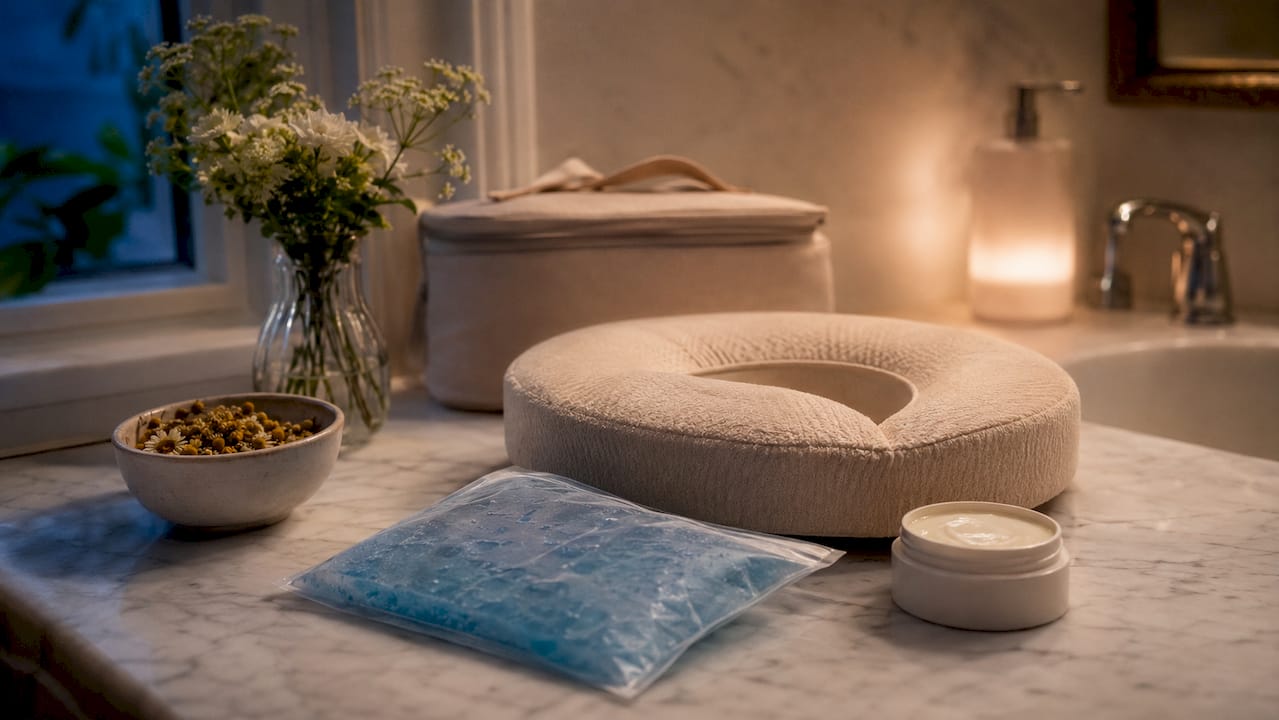
Perineal cooling cushions deliver targeted cold therapy to the area most affected by vaginal birth. Cold therapy gel packs offer approximately 20 minutes of cooling relief per use, which is enough to take the edge off during feeding sessions or nappy changes. The Frida Mom line is the most widely stocked option in Australian pharmacies and baby stores. Reusable gel inserts are more cost-effective than single-use ice packs over a two-week recovery window.
2. Upside-down peri bottles
A peri bottle is a squeeze bottle used to rinse the perineum with warm water after using the toilet. The upside-down design, popularised by Frida Mom, lets you direct the stream without awkward wrist angles. Standard bottles require you to tip them forward, which reduces pressure and accuracy. The upside-down version solves both problems without requiring any extra effort when you are exhausted and sore.
Pro Tip: Fill your peri bottle with warm water before you need it. Keeping a filled bottle on the back of the toilet means one less task to manage mid-recovery.
3. Fragrance-free perineal balm and herbal sitz baths
Bathroom recovery essentials for the first two weeks after birth centre on hygiene and soothing the perineum. Fragrance-free perineal balm reduces friction and keeps healing skin moisturised between rinses. Herbal sitz baths go further. Natural ingredients like witch hazel, chamomile, and magnesium sulfate soothe tenderness, reduce swelling, and calm irritation. Midwives and doulas widely recommend sitz baths as a first-line comfort measure in the early fourth trimester.
4. Mesh underwear and high-absorbency maternity pads
Mesh underwear accommodates swelling without putting pressure on stitches during early recovery. It is breathable, stretchy, and disposable, which removes the stress of laundry when you have very little capacity. Pair it with high-absorbency maternity pads rather than standard sanitary pads. Postpartum bleeding can last up to 6 weeks, so stocking enough pads before birth is a practical priority, not an overreaction.
5. Nursing bras and nipple balm
A well-fitted nursing bra reduces the physical effort of breastfeeding by giving you easy access without removing clothing. Look for soft, wire-free options with wide straps to distribute weight across the shoulders. Nipple balm, particularly lanolin-based formulas, repairs cracked and sore nipple skin between feeds. Applying balm after every feed in the first two weeks significantly reduces the chance of developing open wounds that make feeding painful enough to stop.
6. Wearable breast pumps
Wearable breast pumps sit inside the bra cup and operate without tubes or external motors. The Lansinoh DiscreetDuo is one of the most recognised options in this category. Modern wearable pumps offer up to 200 minutes of battery life, which covers approximately five pumping sessions per charge. That means you can pump while feeding your baby on the other side, resting, or doing a short walk without being tethered to a wall socket.
For a broader look at breastfeeding accessories that complement wearable pumps, Zabbidoo’s 2026 guide covers the most useful options in detail.
7. Nursing pillows
A nursing pillow lifts your baby to breast height so you do not hunch forward during feeds. Most standard pillows collapse under the weight of a newborn, forcing you to compensate with your neck and wrists. Zabbidoo’s nursing pillow sits at 18cm, which brings the baby to the mother rather than the other way around. The compression-resistant fill keeps its shape across multiple feeds, and the French flax linen cover is breathable enough for Australian summers.
8. How do postpartum comfort products compare?
Choosing between products comes down to four criteria: comfort, ease of use, durability, and price. The table below compares the core categories.
| Product | Comfort | Ease of use | Durability | Price range |
|---|---|---|---|---|
| Perineal cooling cushion | High | Easy | Reusable | Mid-range |
| Upside-down peri bottle | High | Very easy | Reusable | Budget |
| Herbal sitz bath soak | High | Moderate | Single use | Budget |
| Mesh underwear | Moderate | Very easy | Disposable | Budget |
| Wearable breast pump | High | Moderate | Long-term | Premium |
| Nursing pillow (Zabbidoo) | Very high | Easy | Long-term | Mid-range |
Budget options like peri bottles and mesh underwear deliver strong value because they solve a specific problem without complexity. Premium items like wearable pumps justify their cost through daily use across months, not weeks. Start with core essentials like a peri bottle and heavy-duty pads before adding extras like specialised cooling cushions.
9. Practical tips to get more from your recovery products
Getting the most from your postpartum comfort essentials comes down to setup and consistency, not effort.
- Set up a recovery station. A centralised recovery station near your bed or feeding chair keeps all supplies within reach and reduces the exhaustion of searching for items across the house. Stock it daily with pads, balm, a water bottle, snacks, and your phone charger.
- Use soft, dark towels. Soft, pre-washed dark towels reduce friction on sensitive postpartum skin and hide bleeding stains, which removes one small source of stress.
- Stay hydrated. Breastfeeding increases your fluid needs significantly. Dehydration slows healing and reduces milk supply. Keep a large water bottle at your recovery station and refill it every time someone visits.
- Replace pads regularly. Changing pads every two to four hours in the first week reduces infection risk and keeps skin dry. Do not wait until a pad is full.
- Check your pump flange size. The wrong flange size causes pain and reduces milk output. Most wearable pumps come with two sizes. If pumping is consistently uncomfortable, try the other size before assuming the pump is faulty.
Pro Tip: Prepare your recovery station before your due date. Packing it in the last few weeks of pregnancy means it is ready the moment you arrive home.
10. Choosing products for your specific situation
Not every postpartum comfort essential suits every mother. Your delivery type, feeding choices, and mobility all shape what you actually need.
After vaginal birth:
- Perineal cooling cushions, peri bottles, sitz baths, and mesh underwear are the highest-priority items.
- Perineal balm and witch hazel pads reduce swelling and support tissue healing in the first week.
After caesarean section:
- Sitz baths are less relevant. Focus shifts to abdominal support, gentle movement, and wound care.
- A nursing pillow becomes especially useful because it protects the incision site during feeds. Zabbidoo’s nursing pillow for c-section recovery is designed with this in mind.
- Avoid anything that presses directly on the lower abdomen in the first two weeks.
For breastfeeding mothers:
- A wearable breast pump, nursing bra, nipple balm, and nursing pillow form the core kit.
- Add breast pads for leaking between feeds.
For mothers with limited mobility:
- Prioritise products that require minimal setup and no bending. Upside-down peri bottles, bedside recovery stations, and wearable pumps all reduce the need to move unnecessarily.
The key principle is to buy core essentials first and add comfort extras as you identify genuine gaps. Panic buying a full recovery kit before birth often results in unused products and unnecessary spending.
Key takeaways
The most effective approach to fourth trimester recovery is to build a small, targeted kit of proven comfort products before birth and add extras only as genuine needs emerge.
| Point | Details |
|---|---|
| Cold therapy works fast | Perineal cooling cushions provide around 20 minutes of relief per use. |
| Bleeding lasts longer than expected | Stock enough high-absorbency pads for up to 6 weeks of postpartum bleeding. |
| Recovery station reduces fatigue | Centralise all daily essentials near your resting place before birth. |
| Delivery type shapes your kit | Vaginal birth needs perineal care; caesarean recovery needs abdominal support and a good nursing pillow. |
| Start with basics | Buy a peri bottle and heavy-duty pads first, then add premium items based on real need. |
What I have learned about fourth trimester comfort products
My honest view on where new mothers spend money they do not need to
The postpartum product market is full of beautifully packaged items that solve problems you may never have. I have seen mothers arrive home with elaborate recovery kits and still feel unprepared, because the one thing they actually needed was a better nursing pillow and a peri bottle.
The products that consistently make the biggest difference are the unglamorous ones. Mesh underwear is not exciting. A peri bottle is not a gift anyone wants to receive. But these are the items that get used every single day in the first two weeks, while the fancy cooling mist spray sits unopened on the shelf.
My strongest recommendation is to resist the pressure to buy everything at once. Rest is medically essential for postpartum healing, and no product replaces it. Spend your energy setting up a simple recovery station with the basics, and let your actual experience tell you what else you need.
The one area where I do think it pays to invest before birth is a quality nursing pillow. Posture problems from feeding compound quickly. A pillow that collapses after three uses costs you more in back pain than it saves in purchase price.
— Marietjie
Zabbidoo’s range for fourth trimester support
Zabbidoo was built around one core insight: most nursing pillows fail new mothers at the moment they need support most. The Zabbidoo nursing pillow sits at 18cm, holds its shape under pressure, and uses breathable French flax linen, which matters in the Australian climate.
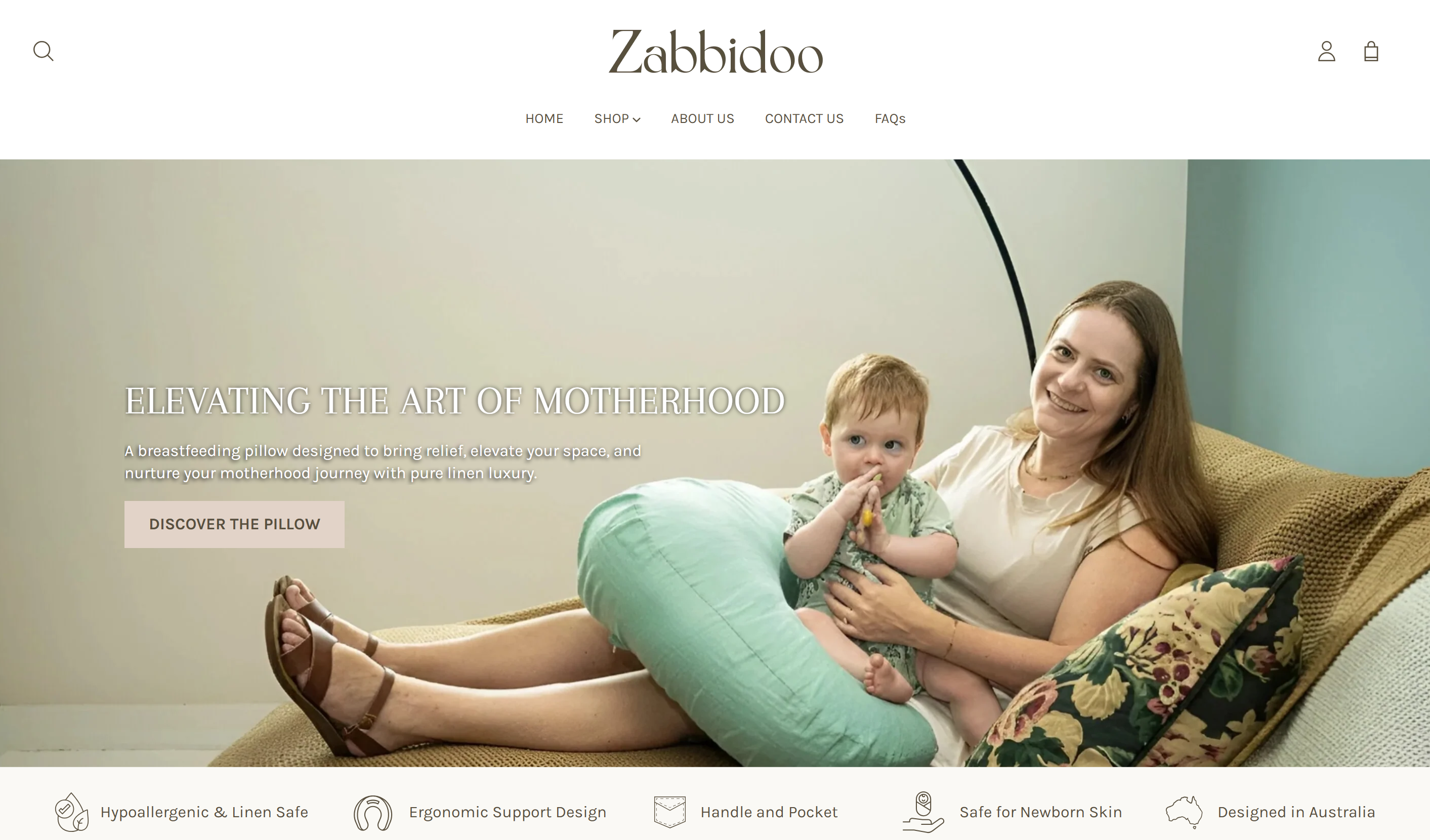
For new mothers building their postpartum kit, Zabbidoo also offers a free pacifier clip chain with qualifying orders, which is a practical addition for the newborn weeks. Browse the full range at Zabbidoo to find what fits your recovery and your baby’s needs.
FAQ
What are the most important fourth trimester comfort products?
The core items are a peri bottle, high-absorbency maternity pads, mesh underwear, perineal balm, and a nursing pillow. Add a wearable breast pump and sitz bath soaks if you are breastfeeding or recovering from a vaginal birth.
How long does postpartum bleeding last?
Postpartum bleeding can last up to 6 weeks. Stock enough high-absorbency pads or disposable underwear before your due date to cover this full period.
Are herbal sitz baths safe after birth?
Yes. Herbal sitz baths with witch hazel, chamomile, and magnesium sulfate are widely recommended by midwives to reduce swelling and soothe perineal tenderness in the early weeks.
What should I look for in a nursing pillow?
Choose a pillow with enough height to bring your baby to breast level without you hunching forward. Compression resistance matters more than softness. Zabbidoo’s nursing pillow is designed specifically to address the height and stability gaps common in standard options.
Do I need a wearable breast pump?
A wearable breast pump is not essential for every mother, but it significantly improves convenience for those who pump regularly. Models like the Lansinoh DiscreetDuo offer up to 200 minutes of battery life, making them practical for daily use without being tied to a power point.