

Breathable fabric for newborns is any soft, natural material that allows air to circulate, wicks moisture away from skin, and prevents overheating. Newborn skin is significantly thinner and more sensitive than adult skin, which means temperature regulation depends almost entirely on what your baby wears. The best fabrics for newborns are organic cotton, bamboo, muslin, and TENCEL lyocell. Each offers a different balance of airflow, softness, and safety. Certifications like GOTS and OEKO-TEX Standard 100 Class I are the most reliable way to confirm a fabric is free from harmful chemical residues.
1. What is breathable fabric for newborns?
Breathable fabric is any textile that allows air to pass through its fibres and move heat and moisture away from the body. For newborns, this matters more than for adults because babies cannot regulate their own body temperature effectively in the early weeks. Natural fibres like cotton, bamboo, and linen have an open fibre structure that promotes airflow. Synthetic fabrics like polyester do not share this quality.
The term “breathable” is used loosely in baby clothing marketing. The industry standard behind it is moisture vapour transmission rate, which measures how quickly a fabric allows water vapour to pass through. Parents do not need to memorise that term. What they do need to know is that certified natural fibres consistently outperform synthetics on this measure, and that loose weaves allow superior airflow compared to tight-weave fabrics regardless of fibre type.
2. Organic cotton: the safest all-round choice
100% organic cotton certified by GOTS or OEKO-TEX Standard 100 Class I is the safest fabric choice for newborn clothes. It balances breathability, moisture absorption, and chemical-free assurance in a way no other fabric currently matches for everyday use. GOTS certification covers the entire production chain, from field to finished garment. OEKO-TEX Class I is the most stringent tier and applies specifically to products for babies under 36 months.
Organic cotton is also durable. It holds its softness through repeated washing, which matters when you are washing baby clothes daily. The fibre structure allows heat to escape while absorbing moisture before it sits against skin. For parents in cooler Australian climates like Melbourne or Canberra, organic cotton jersey is the go-to choice for bodysuits, sleeping bags, and swaddles.
Pro Tip: Look for the GOTS or OEKO-TEX logo directly on the product tag, not just on the brand website. Tags confirm the specific garment is certified, not just the brand.
3. Bamboo fabric: cooler, but check the label
Bamboo fabric is approximately 20% more breathable than cotton and keeps skin temperature 2–3 degrees cooler. That is a meaningful difference for a newborn in a warm Australian summer. Bamboo also offers natural UV protection equivalent to UPF 50+, along with moisture-wicking and antibacterial properties. For parents in Queensland or the Northern Territory, bamboo clothing is worth considering for daytime wear.
The catch is that most bamboo baby clothing is bamboo viscose, a chemically processed fibre that is less breathable and less safe than the raw bamboo plant suggests. Chemical processing strips away many of the natural benefits. This is why certification matters more than the word “bamboo” on a label. Look for OEKO-TEX certified bamboo viscose at minimum, or choose certified organic cotton as the safer default.
4. Muslin cotton: the best choice for hot climates
Muslin is a loosely woven cotton fabric with an open weave structure that allows exceptional airflow. It is the fabric most commonly used for swaddles, wraps, and lightweight blankets. The open weave means heat escapes quickly, which makes muslin ideal for warm and humid conditions. Parents in Darwin, Brisbane, or coastal New South Wales will find muslin swaddles particularly useful through summer.
Muslin does not provide much warmth on its own. That is a feature, not a flaw, in hot weather. In cooler months, muslin works best as a middle layer rather than an outer wrap. Multiple layers of muslin also provide more warmth than a single layer of jersey, while still allowing airflow between each layer. This layering approach gives parents more control over temperature than a single thick garment.
5. TENCEL lyocell: the best option for sensitive or eczema-prone skin
TENCEL lyocell is a plant-based fibre made from sustainably sourced wood pulp, most commonly eucalyptus. It is exceptionally soft, absorbs moisture efficiently, and releases it quickly so skin stays dry. For newborns with eczema-prone or reactive skin, TENCEL lyocell is often recommended by dermatologists as a gentler alternative to cotton. The fibre surface is smooth at a microscopic level, which reduces friction against delicate skin.
TENCEL lyocell is less widely available than organic cotton and typically costs more. It is worth seeking out for babies with diagnosed skin conditions or persistent rashes. For healthy newborn skin, certified organic cotton remains the more practical everyday choice. TENCEL lyocell is best used for items that sit directly against skin for long periods, such as fitted sheets, sleeping bag liners, or bodysuits worn overnight.
6. Why fabric weave matters as much as fibre type
The weave structure of a fabric determines how much air can pass through it, regardless of what the fibre is. A tight-weave organic cotton jersey allows less airflow than a loosely woven muslin made from conventional cotton. Parents often focus entirely on fibre type and miss this point entirely. Both variables matter.
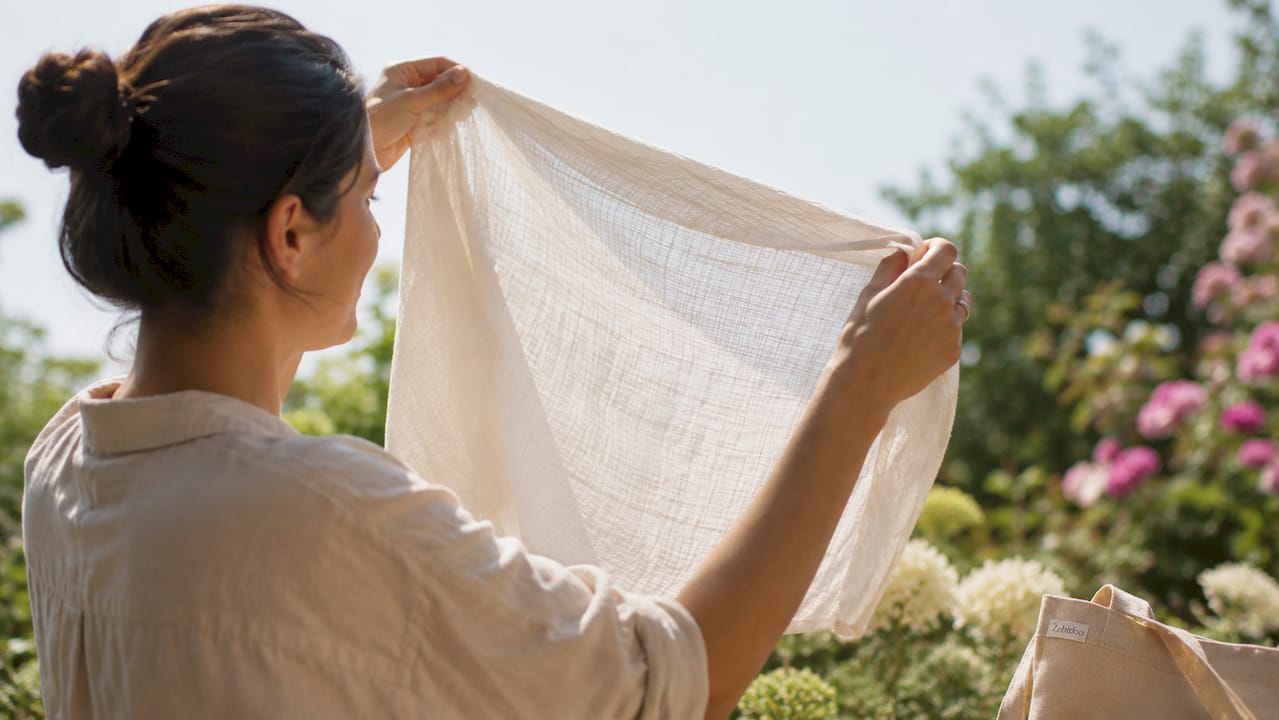
The simplest way to check weave breathability is the light test. Hold the fabric up to a window or lamp. If light passes through clearly and evenly, the weave is open enough for good airflow. If the fabric appears dense and blocks most light, it will trap heat against your baby’s skin. This light test identifies suitable breathable fabrics regardless of what the label says.
Pro Tip: Run the light test on every new garment before dressing your newborn. A fabric can be labelled “natural” and still fail this test if the weave is too tight.
7. How certifications protect newborn skin
GOTS and OEKO-TEX Standard 100 Class I are the two certifications that matter most for newborn clothing. GOTS covers organic fibre content and prohibits harmful dyes, bleaches, and finishing chemicals throughout production. OEKO-TEX Class I tests the finished product for over 100 harmful substances and sets the strictest limits for items used by babies. A garment carrying either certification has been independently verified, not just self-declared by the brand.
Marketing terms like “natural,” “eco-friendly,” or “plant-based” carry no legal definition in Australia. A brand can use these words on any product without independent testing. Parents are misled by natural bamboo claims more than almost any other fabric category. Certifications replace guesswork with verified evidence. When budget is tight, prioritise certified garments for items worn closest to skin, such as bodysuits and sleeping bags, and accept lower standards for outer layers like cardigans or jackets.
8. Fabrics to avoid next to newborn skin
Synthetic fabrics like polyester trap heat and moisture, increasing the risk of irritation and overheating for newborns. Polyester does not absorb moisture. Instead, it holds sweat against skin, which raises the risk of heat rash and skin breakdown. Nylon and acrylic share the same problem. These fabrics are common in budget baby clothing and in decorative items like novelty outfits.
Blended fabrics with a high synthetic content are also worth avoiding for everyday wear. A 60% cotton, 40% polyester blend behaves more like polyester than cotton in terms of heat and moisture management. For newborns, the rule is simple: the closer the fabric sits to skin, the more important it is that the fabric is 100% natural and certified. Outer layers with some synthetic content are more acceptable because they are not in direct contact with skin.
9. Garment construction: seams, fasteners, and threads
The best breathable fabric can still cause irritation if the garment is poorly constructed. Careful choice of fabric seams, fasteners, and threads directly affects how comfortable a garment feels against newborn skin. Flat-lock seams sit flush against the body and eliminate the raised ridge that standard seams create. Raised seams press into skin during sleep and feeding, causing redness and discomfort even in certified organic cotton garments.
Fasteners matter too. Nickel-free snaps are the standard for quality newborn clothing. Nickel is a common contact allergen and is found in many standard metal snaps. YKK zippers are widely used in quality baby garments because they close smoothly without snagging fabric or skin. When you are assessing a garment, turn it inside out and run your fingers along every seam and fastener before buying. This takes 30 seconds and tells you more than the label does.
10. Practical tips for washing and maintaining breathable baby fabrics
Washing habits affect how long a fabric stays breathable and soft. Harsh detergents strip natural fibres of their moisture-wicking properties over time. Use a fragrance-free, enzyme-free detergent labelled safe for sensitive skin. Avoid fabric softeners entirely. They coat fibres with a waxy residue that reduces breathability and can irritate newborn skin.
Wash new garments before first use to remove any residual finishing chemicals from manufacturing. Wash at 30–40 degrees Celsius to preserve fibre integrity. High temperatures cause natural fibres to shrink and tighten the weave, which reduces airflow. Line drying in the shade is gentler on fabric than tumble drying. If you use a dryer, choose a low heat setting and remove garments while still slightly damp to reduce fibre stress.
Pro Tip: Keep a dedicated mesh laundry bag for newborn clothing. It protects delicate fabrics from friction damage during the wash cycle and extends the life of certified garments.
11. Layering breathable fabrics for temperature control
Layering is more effective than a single thick garment for newborn temperature regulation. The Raising Children Network recommends layering with natural fibres so parents can add or remove layers as conditions change. A base layer of organic cotton bodysuit, a middle layer of muslin wrap, and an outer layer of cotton knit gives you three adjustment points without any single layer being too heavy.
The general guide for newborns is to dress them in one more layer than an adult would wear in the same conditions. In practice, this means a bodysuit and a light swaddle in summer, and a bodysuit, a footed sleepsuit, and a sleeping bag in winter. Breathable fabrics in every layer prevent heat from building up between layers. Synthetic fabrics in any layer, even an outer one, reduce the effectiveness of the whole system.
Key takeaways
The safest and most effective breathable fabric for newborns is certified organic cotton, supported by bamboo and muslin for specific climates and skin types.
| Point | Details |
|---|---|
| Organic cotton is the safest choice | GOTS or OEKO-TEX Class I certified organic cotton balances breathability, softness, and chemical safety. |
| Bamboo needs certification | Most bamboo clothing is viscose-processed; always verify OEKO-TEX certification before buying. |
| Weave matters as much as fibre | Use the light test to confirm airflow, regardless of what the fabric label claims. |
| Avoid synthetics next to skin | Polyester traps heat and moisture, raising the risk of overheating and skin irritation in newborns. |
| Garment construction counts | Flat-lock seams and nickel-free snaps reduce irritation even when the fabric itself is high quality. |
My honest view on fabric choices for newborns
By Marietjie
After spending years thinking about what goes next to a newborn’s skin, I keep coming back to the same conclusion: certified organic cotton is the one fabric parents can trust without reservation. Not because it is trendy, but because the certification process is rigorous and the fibre performs consistently across every climate and skin type.
The bamboo conversation frustrates me. Parents pay a premium for bamboo clothing based on marketing language that sounds scientific but often describes chemically processed viscose. The raw bamboo plant is genuinely impressive. What ends up in most baby garments is not. If you want bamboo’s cooling benefits for a summer baby, find a certified product and check the label carefully. Otherwise, organic cotton linen blends, like the French flax linen Zabbidoo uses in its nursing pillow, offer breathability and durability without the marketing confusion.
The thing I see parents overlook most is garment construction. A beautifully certified organic cotton bodysuit with raised internal seams will still leave red marks on a newborn’s skin. Turn every garment inside out before you buy it. That one habit will save you more frustration than any amount of fabric research.
My final word: do not overdress your baby. Breathable fabrics work best when there is enough airflow around the body. A light, well-constructed organic cotton layer does more for comfort than three layers of poorly constructed “natural” fabric. Trust the light test, trust the certifications, and trust your instincts when something looks or feels wrong.
— Marietjie
Breathable baby products from Zabbidoo
Parents who prioritise breathable materials for their newborn’s clothing will find the same thinking in Zabbidoo’s nursing pillow. The pillow cover is made from French flax linen, a naturally breathable textile that regulates temperature and softens with every wash. You can read more about fabric safety in nursing pillows and how material choice affects both mum and baby during feeding.
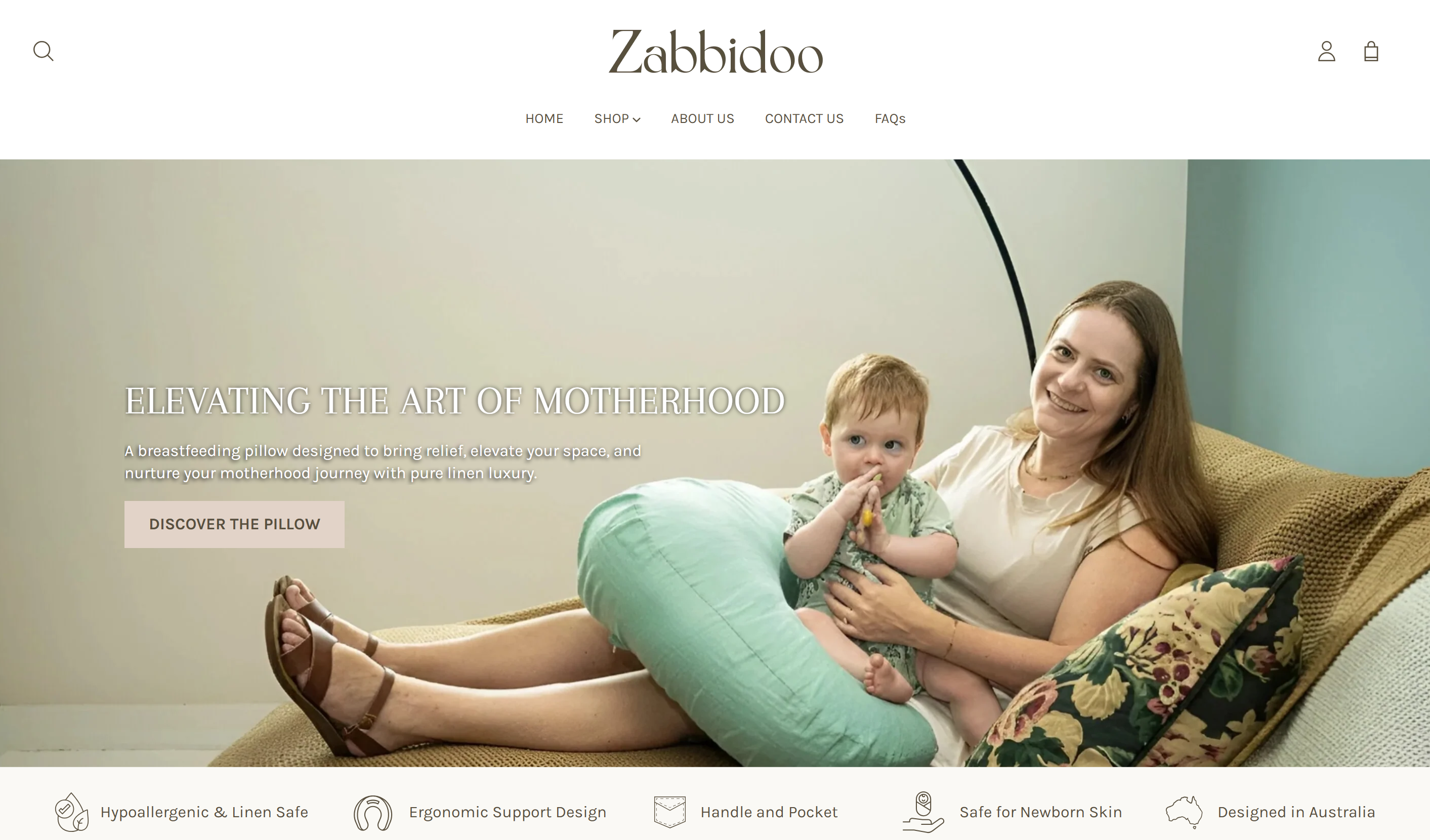
Zabbidoo’s nursing pillow is designed to bring your baby up to you rather than forcing you to hunch down, reducing strain on your neck, back, and wrists. The 18cm lift and compression-resistant fill keep their shape through every feed. For parents who want certified breathable materials from clothing through to feeding accessories, Zabbidoo is worth exploring.
FAQ
What is the best fabric for newborn clothing?
Certified organic cotton is the best fabric for newborn clothing. GOTS or OEKO-TEX Standard 100 Class I certification confirms the fabric is free from harmful chemicals and safe for sensitive newborn skin.
Is bamboo fabric safe for newborns?
Bamboo fabric can be safe for newborns, but most bamboo baby clothing is chemically processed viscose. Always look for OEKO-TEX certification on the specific garment rather than relying on the word “bamboo” alone.
How do I know if a fabric is breathable enough for my baby?
Hold the fabric up to a light source. If light passes through clearly and evenly, the weave is open enough for good airflow. Dense fabrics that block light will trap heat against your baby’s skin.
Should I avoid polyester in newborn clothing?
Yes. Polyester traps heat and moisture next to skin, which raises the risk of overheating and irritation in newborns. Choose 100% natural, certified fabrics for any garment worn directly against your baby’s skin.
What does OEKO-TEX Class I mean for baby clothing?
OEKO-TEX Standard 100 Class I is the most stringent certification tier and applies specifically to products for babies under 36 months. It tests the finished garment for over 100 harmful substances and sets strict limits to protect sensitive skin.