

Antibacterial natural fabrics for babies are plant or animal-derived textiles with inherent properties that inhibit bacterial growth while remaining safe and gentle on delicate infant skin. The best options combine clinically proven antibacterial performance with certifications like GOTS and OEKO-TEX Standard 100 Class I, which covers infants aged 0–36 months. Unlike synthetic antimicrobial finishes that wash out quickly, fabrics like bamboo, pineapple leaf fibre, and PLA-based plant fibres embed their antibacterial action structurally. That means the protection lasts through repeated laundering, which matters enormously when you are washing baby clothes daily. For parents choosing breathable fabric for newborns, understanding which fabrics work naturally is the starting point.
What are the best antibacterial natural fabrics for babies?
The top antibacterial natural fabrics for babies are those with structurally integrated antibacterial properties, not surface-applied chemical coatings. Here are the leading options ranked by natural efficacy, skin safety, and practical use.
1. PLA plant-based fibre
PLA (polylactic acid) fibre is derived from fermented plant starch, most commonly corn or sugarcane. It is one of the most clinically effective natural-origin fabrics available for infant clothing. Plant-based PLA fibres inhibit nearly 90% of common bacteria including Staphylococcus aureus, E. coli, and Candida albicans. That level of efficacy is significant because Staphylococcus aureus is a leading cause of skin infections in newborns. PLA is also fully biodegradable, making it a strong choice for parents who prioritise sustainable baby textiles.
2. Bamboo fabric
Bamboo is one of the most popular natural baby fabrics, and for good reason. Its antibacterial properties come from lignin, a structural compound in the bamboo plant that remains active through multiple washes. Bamboo textiles also keep a baby’s microclimate 2–3 degrees cooler than conventional cotton, which reduces heat rash and irritation during warmer months. One important caveat: bamboo viscose requires careful certification. Heavy chemical processing can strip the natural antibacterial benefits and introduce toxins, so always look for OEKO-TEX certified bamboo products.
Pro Tip: When buying bamboo baby clothing, check that the label reads “OEKO-TEX Standard 100 Class I” rather than just “bamboo fabric.” The certification confirms no harmful residues from processing.
3. GOTS-certified organic cotton
Organic cotton is the most widely available antibacterial baby clothing fabric and the safest baseline choice for everyday wear. GOTS certification guarantees a minimum of 95% organic fibres, no toxic dyes or chemical treatments, and fair labour practices throughout the supply chain. While organic cotton’s antibacterial properties are milder than bamboo or PLA, its breathability and softness make it ideal for bodysuits, sleep suits, and layering pieces. It is also the most thoroughly tested fabric for infant skin safety, which gives parents a reliable foundation to build from.
4. Pineapple leaf fibre
Pineapple leaf fibre is an emerging fabric in sustainable baby textiles, and its antibacterial mechanism is genuinely unique. The fibre contains bromelain, a natural enzyme that gives it wash-permanent antibacterial and odour-decomposing properties without any synthetic agents. Unlike surface-applied antimicrobial coatings that fade after a few washes, pineapple leaf fibre’s antibacterial action is structurally embedded in the fibre itself. This makes it particularly well suited to baby clothing that gets washed frequently. It is still less widely available than bamboo or cotton, but worth seeking out as the market grows.
5. Merino wool
Merino wool is the best antibacterial natural fabric for cooler climates and winter layering. Its fine fibres are naturally moisture-wicking, temperature-regulating, and resistant to bacterial growth because wool absorbs moisture vapour before bacteria can multiply. Merino is also naturally hypoallergenic when sourced from fine-grade fleece, making it suitable for babies with eczema-prone or sensitive skin. Look for mulesing-free merino from certified suppliers to align with ethical and sustainable baby textile standards. It performs best as a mid-layer or sleepwear fabric in autumn and winter.
6. Linen
Linen is one of the oldest natural fabrics and one of the most underrated choices for baby-safe natural materials. It has mild antibacterial properties, excellent breathability, and becomes softer with every wash, which suits the repeated laundering that baby clothing demands. Linen’s natural properties make it a clear step above synthetic alternatives for sensitive skin. It is particularly well suited to warmer months and is the fabric used in Zabbidoo’s nursing pillow cover, chosen for its breathability and durability under daily use. Parents researching linen safety for newborn skin will find it consistently recommended by textile experts.
7. Silk
Silk is a premium option for babies with highly sensitive or eczema-prone skin. It has a naturally smooth surface that reduces mechanical friction, which is a significant but often overlooked cause of skin irritation in infants. Silk also has mild antibacterial properties derived from sericin, a protein in the fibre. The main limitation is cost and care requirements. Silk is best reserved for specific items like sleep sacks or pillowcases rather than everyday clothing.
How do these fabrics compare on key factors?
Choosing the right fabric depends on breathability, softness, antibacterial durability, and how well it holds up through repeated washing. The table below gives a clear side-by-side view.
| Fabric | Breathability | Softness | Antibacterial durability | Hypoallergenic | Sustainability |
|---|---|---|---|---|---|
| PLA plant fibre | High | Medium | High (structural) | Yes | High |
| Bamboo (OEKO-TEX) | High | Very high | High (lignin-based) | Yes | High |
| Organic cotton (GOTS) | High | High | Mild | Yes | High |
| Pineapple leaf fibre | Medium | Medium | Very high (enzyme-based) | Yes | Very high |
| Merino wool | Medium | High | High | Yes (fine grade) | Medium |
| Linen | Very high | Medium (improves with washing) | Mild | Yes | Very high |
| Silk | Medium | Very high | Mild | Yes | Low to medium |
The key distinction is between inherent antibacterial fibres and treated finishes. Fabrics like PLA, pineapple leaf fibre, and bamboo carry their antibacterial properties within the fibre structure. Surface-applied coatings, common on cheaper synthetic blends, wash out rapidly and offer no lasting protection. For organic fabrics for infants, structural antibacterial properties are always preferable to chemical treatments.
What certifications and chemicals should parents watch for?
Certifications are the most reliable way to verify that antibacterial baby clothing is genuinely safe. Two standards matter most for infants.
GOTS (Global Organic Textile Standard) covers the entire production chain, from farming to finished garment. It guarantees no toxic dyes, no harmful chemical treatments, and verified organic fibre content of at least 95%.
OEKO-TEX Standard 100 Class I is the strictest tier of OEKO-TEX testing and applies specifically to products for babies and toddlers aged 0–36 months. It tests for over 100 harmful substances including formaldehyde, heavy metals, and pesticide residues.
Chemicals to actively avoid in baby textiles include:
- Antimicrobial chemical finishes (often labelled as “antibacterial treated” or “silver ion treated”)
- Formaldehyde-based wrinkle-resistant treatments
- Fluorinated stain-resistant coatings (PFAS chemicals)
- Azo dyes, which can release carcinogenic aromatic amines
Antimicrobial finishes on infant clothing are actively discouraged by textile safety experts. Fabrics like organic cotton, linen, and merino wool without added treatments are the safer path.
Pro Tip: Always wash new baby garments before the first use, even certified ones. This removes any residual manufacturing dust, packaging chemicals, or transport contaminants that certifications do not cover.
When to choose which fabric for your baby
Matching the fabric to the season and your baby’s skin type makes a real difference to comfort and health outcomes.
- Winter and cooler months: Merino wool for its warmth and moisture management. Layer over an organic cotton bodysuit for temperature control.
- Summer and warm climates: Bamboo or linen for their cooling properties. Bamboo’s 2–3 degree cooling effect over cotton is particularly useful in Australian summers.
- Everyday basics: GOTS-certified organic cotton for bodysuits, sleep suits, and anything worn close to the skin all day.
- Eczema or reactive skin: Silk or fine-grade merino for minimal friction. Avoid any fabric with surface treatments or synthetic blends.
- Eco-conscious parents: Pineapple leaf fibre and linen offer the strongest sustainability credentials alongside genuine antibacterial performance.
Reducing mechanical skin irritation is as important as choosing antibacterial fibres. Fabrics combining natural antibacterial properties with soft textures minimise dermatitis risk more effectively than antibacterial properties alone. This is why fabric feel and weave structure matter as much as fibre type when you are choosing soft antibacterial cloth for babies.
Key takeaways
The most effective antibacterial natural fabrics for babies combine structurally embedded antibacterial properties with GOTS or OEKO-TEX Standard 100 Class I certification, not surface-applied chemical treatments.
| Point | Details |
|---|---|
| Structural beats surface | PLA, bamboo, and pineapple leaf fibre embed antibacterial action in the fibre, lasting through many washes. |
| Certifications are non-negotiable | GOTS and OEKO-TEX Standard 100 Class I are the only reliable guarantees of chemical-free infant textiles. |
| Match fabric to season | Use merino for winter, bamboo or linen for summer, and organic cotton as an everyday base layer. |
| Avoid chemical finishes | Antimicrobial-treated, formaldehyde-treated, and PFAS-coated fabrics carry real risks for infant skin. |
| Wash before first use | Even certified garments should be washed before wearing to remove residual manufacturing contaminants. |
What I have learned from choosing baby fabrics
Certifications over marketing claims, every time
Parents are bombarded with “natural,” “gentle,” and “antibacterial” claims on baby clothing labels. Most of them mean nothing without a certification to back them up. After years of looking closely at baby textiles, the single most reliable filter is the GOTS or OEKO-TEX Class I label. If it is not there, the claim is marketing.
The other thing I have come to believe strongly is that antibacterial performance alone is not enough. A fabric can inhibit bacteria perfectly and still cause a rash if it is scratchy, poorly woven, or treated with a finishing agent. The fabrics that consistently perform best for babies are the ones where softness and antibacterial properties come from the same source, like bamboo’s lignin or pineapple leaf fibre’s bromelain enzyme. That combination is rare, but it is worth prioritising.
Emerging fabrics like pineapple leaf fibre are genuinely exciting, but I would encourage parents to wait for wider OEKO-TEX certification coverage before committing to them as a primary fabric. For now, GOTS organic cotton and certified bamboo remain the most dependable everyday choices. And never skip washing new garments first, no matter how premium the brand.
— Marietjie
Zabbidoo’s approach to safe, breathable baby fabrics
Choosing the right fabric for your baby does not stop at clothing. The surfaces your baby rests against during feeding and tummy time matter just as much.
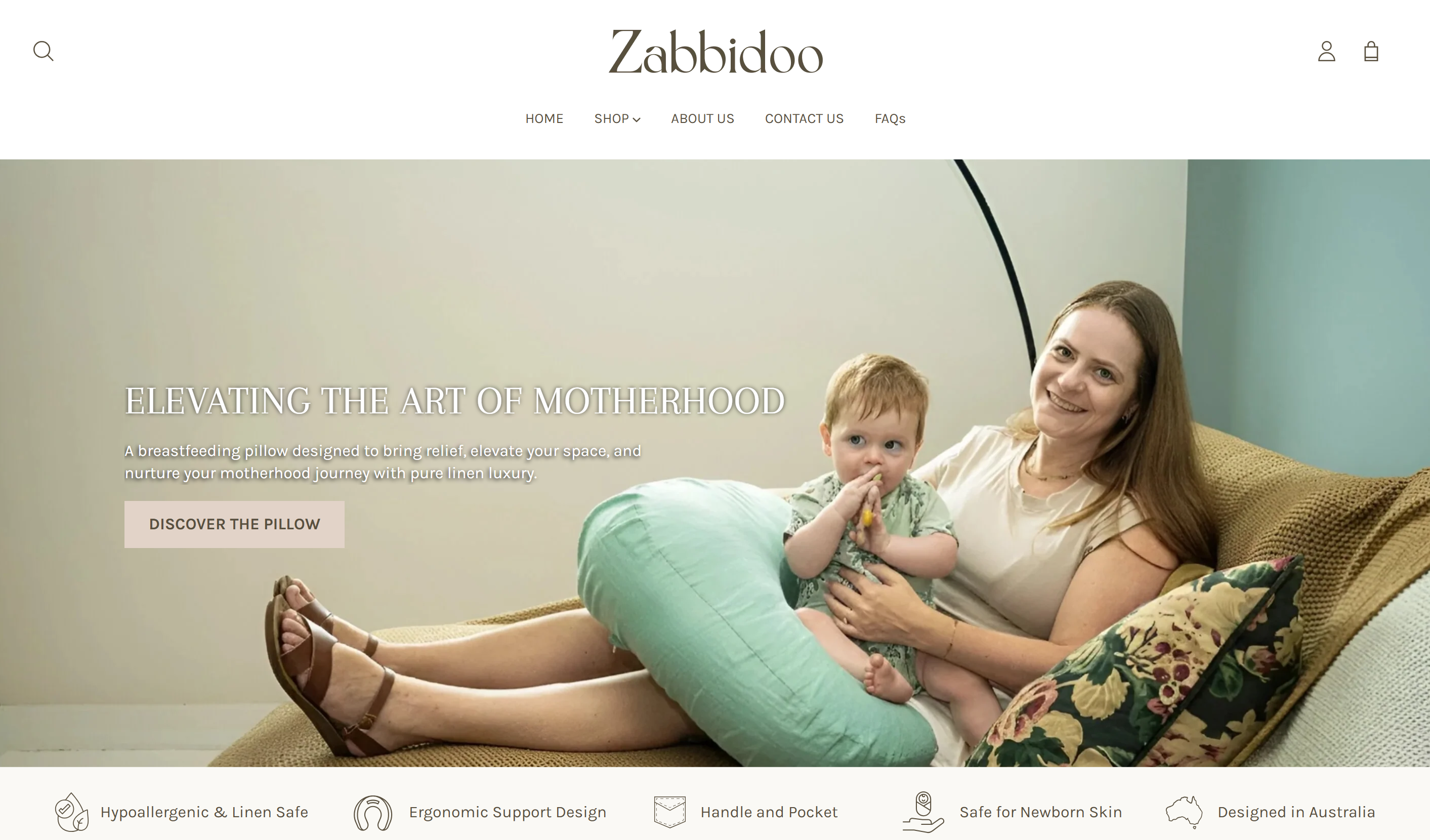
Zabbidoo’s nursing pillow is made with French flax linen, chosen specifically for its breathability, natural antibacterial properties, and durability through repeated washing. It brings your baby up 18cm to reduce the hunching and strain that most nursing pillows ignore. The cover is removable and machine washable, so maintaining fabric hygiene is straightforward. Zabbidoo also offers a free pacifier clip chain with qualifying purchases, giving you one more baby-safe accessory made with your little one’s comfort in mind. For parents who care about what touches their baby’s skin, Zabbidoo is built around that same standard.
FAQ
What makes a fabric naturally antibacterial?
A fabric is naturally antibacterial when its fibre structure inherently inhibits bacterial growth without added chemical treatments. Examples include bamboo (lignin), pineapple leaf fibre (bromelain enzyme), and PLA plant fibres.
Is bamboo fabric safe for newborns?
Bamboo fabric is safe for newborns when it carries OEKO-TEX Standard 100 Class I certification. Without certification, bamboo viscose processing can introduce harmful chemicals that negate the natural antibacterial benefits.
What is the difference between GOTS and OEKO-TEX for baby clothing?
GOTS certifies the entire production chain from farm to finished garment, guaranteeing organic fibre content and no toxic treatments. OEKO-TEX Standard 100 Class I tests the finished product for over 100 harmful substances, specifically for items used by babies aged 0–36 months.
Can antibacterial properties wash out of natural fabrics?
Surface-applied antimicrobial coatings wash out rapidly after repeated laundering. Structurally embedded antibacterial fibres like bamboo, PLA, and pineapple leaf fibre retain their properties through many washes because the antibacterial action is part of the fibre itself.
Which natural fabric is best for a baby with eczema?
Silk and fine-grade merino wool are the best choices for eczema-prone babies because their smooth surfaces reduce mechanical friction. Pair either with GOTS-certified organic cotton as a base layer and avoid any fabric with antimicrobial chemical finishes.