

Yes, sweaty breastfeeding is common, and for most mums it settles down within a few weeks. The main culprits are your dropping oestrogen, the prolactin and oxytocin that drive milk supply, and plain old body heat from having a warm baby pressed against you for long stretches. Two things help immediately: cool the room down before you settle in for a feed, and keep water within arm’s reach so you’re sipping through every session.
- Point a fan at your feeding chair, or crack a window
- Keep a water bottle at the feeding station, not just in the kitchen — and for more tips on planning feeds while out and about, see our guide on how to transport breast milk safely.
- Wear a light, loose top you can quickly adjust if you overheat
Cleveland Clinic notes that postpartum night sweats are a normal response to changing hormone levels after birth, and they typically resolve on their own within a few weeks.
Key Takeaways
Sweaty breastfeeding is driven mainly by falling oestrogen, milk-production hormones, and close body contact with baby, and it typically eases within weeks without treatment.
| Point | Details |
|---|---|
| Sweating is usually hormonal | Falling oestrogen and lactation hormones like prolactin drive most postpartum sweating episodes. |
| It’s temporary for most mums | Symptoms generally settle within a few weeks as hormone levels stabilise after birth. |
| Cooling tactics work fast | A fan, damp washer, breathable clothing, and hydration reduce discomfort during feeds. |
| Baby rarely needs extra fluids | Exclusively breastfed infants under six months don’t usually need water, even in heat. |
| Watch for red flags | Fever, breast pain or lumps, and sweating beyond four to six weeks warrant medical review. |
Table of Contents
- Is sweating normal when breastfeeding? The hormones behind it
- Practical ways to stay cool during day and night feeds
- Keeping baby comfortable during hot, sweaty feeds
- When sweating is more than just hormones
- Reducing sweat through better feeding posture
- Where to read more on postpartum sweating and infant heat safety
- Why reassurance matters more than another checklist
- Sources
Is sweating normal when breastfeeding? The hormones behind it
It is, and there’s a clear physiological reason for it. After birth, your oestrogen falls sharply, which is the same hormonal shift that triggers hot flushes and night sweats in perimenopause. A review of postpartum vasomotor symptoms links this hormonal drop directly to sweating and hot flashes in the weeks after delivery.
Breastfeeding adds another layer. Prolactin, the hormone that drives milk production, and oxytocin, which triggers the let down reflex, both interact with your body’s temperature regulation. One breastfeeding-focused clinical resource puts it plainly: the postpartum low-oestrogen state during lactation “can produce significant sweating, hot flashes,” and breastfeeding can extend that window slightly, since prolactin keeps suppressing oestrogen while you’re nursing, according to ParentData’s explainer on heat sensitivity.
Then there’s the simple mechanical explanation. A newborn radiates heat, and holding one against your chest for 20 to 40 minutes several times a day is a lot like cuddling a small hot water bottle. Add skin-to-skin contact, a blanket, and a warm room, and you’ve built a mini sauna without meaning to.
Fluid shifts play a role too. Your body redistributes a large volume of fluid in the days after birth, and producing milk increases your baseline fluid turnover. That combination can make you feel more sensitive to heat generally, not just during feeds.
Not every sweaty episode is hormonal, though. Watch for these differences:
- Fever or infection: sweating paired with chills, a temperature over 38°C, or feeling unwell all over
- Medication side effects: some antidepressants and thyroid medications list sweating as a known effect
- Anxiety or stress: sweating that spikes with racing thoughts or a fast heartbeat, not just heat
If sweating comes with any of those, it’s worth mentioning to your GP rather than assuming it’s just hormones.
Practical ways to stay cool during day and night feeds
Cooling yourself down doesn’t require anything fancy. It’s mostly about removing heat sources and giving your body somewhere for the heat to go.
- Cool the environment first. Run a fan directly on your feeding spot, open a window, or use air conditioning if you have it. A cool damp face washer on the back of your neck works fast during a feed.
- Dress for heat transfer. Choose breathable cotton or moisture-wicking nursing tops over synthetic blends. A light, unlined bra beats a heavily padded one every time.
- Rethink your bedding. A towel under you at night catches sweat before it soaks the sheet, so you’re not lying in a damp patch at 3am. Breathable cotton sheets over flannel help too.
- Sip, don’t chug. Keep water at every feed and drink to thirst. Cleveland Clinic’s guidance on postpartum sweating also recommends changing out of damp clothes promptly and using antiperspirant as needed, both simple and safe while breastfeeding.
- Adjust your feeding position. A laid-back feeding position reduces the amount of full-body contact you have with your baby compared with cradling them upright against your chest. If direct skin contact feels too warm, a thin muslin between you and bub can take the edge off without affecting latch.
Pro Tip: Keep a small “sweat kit” near your feeding chair: a spare nursing bra, a cool spray bottle, a couple of muslins, and a change of pyjama top. Grabbing a fresh layer takes seconds and makes a 2am feed far less miserable.
A few extras worth adding to your setup:
- Skip heavy blankets during feeds; use a light throw instead
- Cut back on caffeine and alcohol in the evening, both can intensify sweating
- Shower before bed rather than in the morning if night sweats are worse than day sweats
Keeping baby comfortable during hot, sweaty feeds
Sweating more doesn’t mean your milk supply or its quality changes, and it doesn’t mean baby needs anything extra. Exclusively breastfed infants under six months generally don’t need additional water, even in hot weather, according to the Australian Breastfeeding Association’s guidance on breastfeeding in hot weather. Breastmilk itself adjusts to meet fluid needs.
For baby’s comfort during a hot feed:
- Dress them in light, breathable layers rather than swaddling tightly
- Sponge exposed skin with lukewarm water if the room is warm
- Keep the feeding space shaded and, where possible, cooler than direct sun
- Watch for wet nappies, alertness, and pale yellow urine as reassurance signs; contact your maternal-child health nurse if nappies dry up or baby seems unusually lethargic
When sweating is more than just hormones
Most postpartum sweating fades on its own within a few weeks, but a handful of warning signs deserve a call to your GP or midwife rather than a wait-and-see approach.
- Fever above 38°C, especially with chills or feeling generally unwell
- Breast pain, redness, or a hard lump alongside sweating, which can point to mastitis
- Foul-smelling discharge from the breast or wound site
- Fainting, dizziness, or a racing heart with sweating episodes
- Heavy night sweats that haven’t improved after four to six weeks
Mastitis in particular often shows up as a sudden fever with breast tenderness and flu-like sweating, and it usually needs medical review and sometimes antibiotics. If in doubt, ring your maternal and child health line, book a GP appointment, or head to emergency if symptoms come on fast and feel severe.
Reducing sweat through better feeding posture
Sweating isn’t only chemical. Hunching forward to bring your body down to baby’s level tenses your shoulders, neck, and forearms, and tense muscles generate their own heat over a long feed. Lifting baby to breast height, rather than folding yourself down to theirs, cuts that tension out almost entirely.

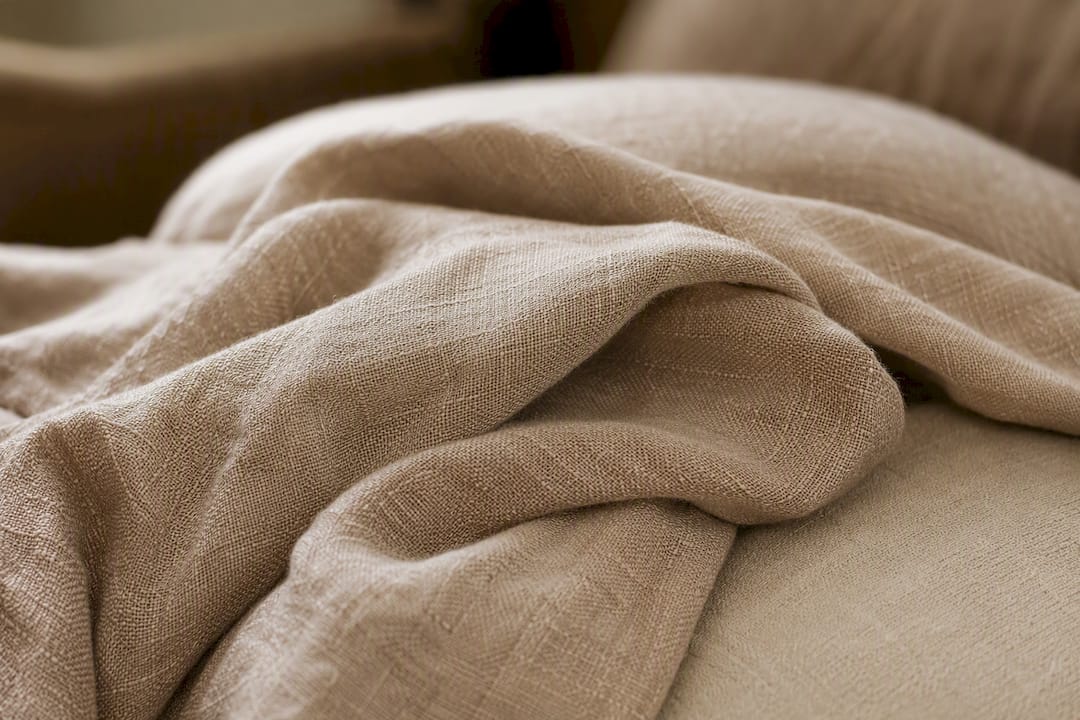
That’s the thinking behind Zabbidoo’s approach to nursing support: an 18cm lift that brings baby up to a comfortable feeding height, paired with a shape-stable core that doesn’t compress flat under weight the way cheaper foam pillows do. The cover uses breathable French flax linen, which matters more than people expect during a warm feed, since it doesn’t trap heat against your forearms the way synthetic fills often do.
A quick self-check partway through a feed: are your shoulders dropped, or creeping up towards your ears? Is baby’s mouth level with your nipple without you leaning down? If either answer is no, a height adjustment usually fixes both the strain and some of the heat build-up that comes with it.
Pro Tip: If you’re feeding on a couch without support, prop a firm cushion under your feeding arm before you settle in. Fatigue sets in fast without it, and tired, tensed muscles sweat more than relaxed ones.
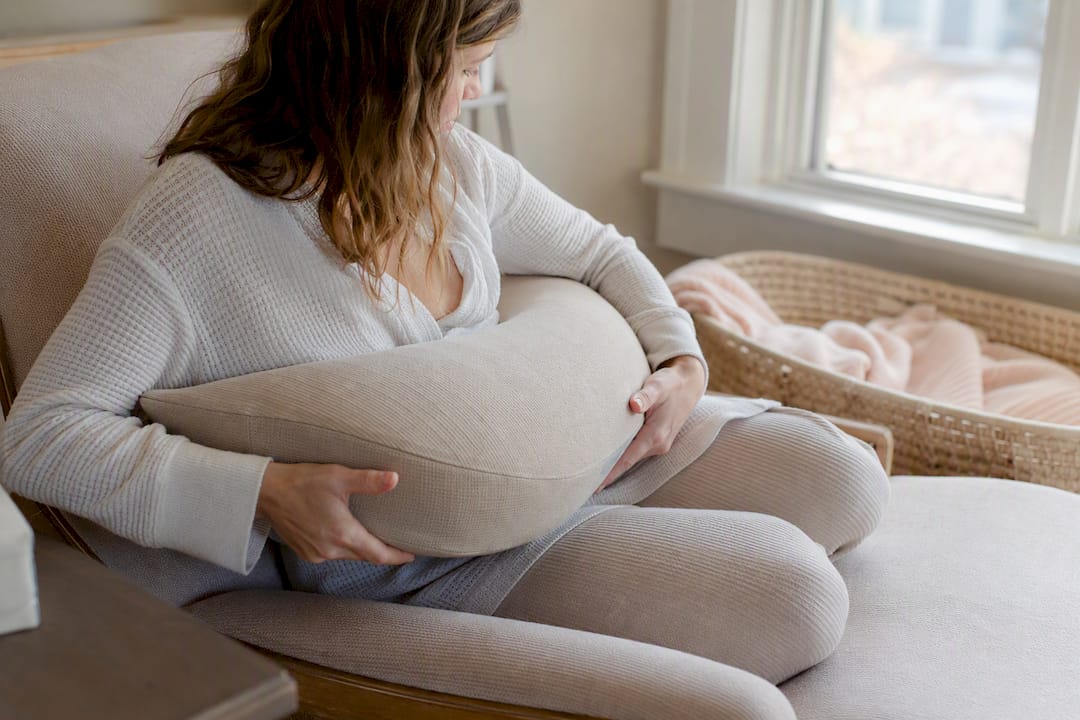
Zabbidoo’s nursing pillow was built around this exact problem: mums hunching, repositioning constantly, and overheating through the strain of it. If a height-elevated, breathable setup sounds like it would help, it’s worth a closer look at the nursing pillow itself, alongside Zabbidoo’s own practical guide to breastfeeding comfort.
Where to read more on postpartum sweating and infant heat safety
- Postpartum Night Sweats – Cleveland Clinic
- Postpartum vasomotor symptoms – NCBI review
- Breastfeeding in hot weather – Australian Breastfeeding Association
- Shivering and sweating at night – Sleep Foundation
If symptoms feel unusual for you, your maternal-child health nurse or GP can give advice specific to your situation.
Why reassurance matters more than another checklist
The research here supports a simple judgement: most mums don’t need a longer list of things to try, they need to know sweating this much isn’t a sign something’s wrong. Conventional advice tends to jump straight to remedies, fans, fabrics, hydration, without first addressing the anxiety that comes from not knowing why your body is doing this.
That anxiety is often worse than the sweating itself. Once a mother understands that falling oestrogen and lactation hormones are doing exactly what they’re meant to do, the practical fixes become far easier to apply without second-guessing every symptom.
If there’s one thing worth prioritising first, it’s posture, not products. A body held in a tense, hunched position for hours a day generates its own heat and fatigue on top of the hormonal load already at play. Fix the position, and the fans and cool cloths do the rest of the work.
This article is general information, not a substitute for advice from a qualified doctor. Consult a qualified healthcare professional about your own circumstances before acting on anything here.