

Most new mums assume that any nursing pillow will hold up through months of daily feeds. That assumption can cost you more than money. A pillow that loses its shape by week six means you’re hunching forward to compensate, your shoulders tighten, your wrists ache, and feeding sessions that should feel manageable start to feel exhausting. Durability is not a bonus feature. It directly shapes your posture, your comfort, and your baby’s latch quality every single day. This guide breaks down exactly what makes a nursing pillow last, what materials and standards to look for, and how to care for what you already own.
Table of Contents
- Why durability matters for nursing pillows
- Key materials and construction: What to look for
- Design, safety standards, and their impact on durability
- Caring for your pillow: Maximising lifespan and hygiene
- Our perspective: The hidden ways pillow durability impacts your wellbeing
- Find your lasting support with Zabbidoo
- Frequently asked questions
Key Takeaways
| Point | Details |
|---|---|
| Durability starts with materials | Firm fills and tough covers stand up to frequent use and washing. |
| Proper care preserves support | Removable, washable covers and liners keep pillows hygienic and long-lasting. |
| Safety boosts longevity | Compliant designs are now firmer and built for lasting ergonomic support. |
| Choose quality to reduce strain | The right pillow protects against fatigue and can make feeding more comfortable. |
Why durability matters for nursing pillows
A nursing pillow takes a serious beating. Think about it: multiple feeds per day, frequent washing, spills, compression from a growing baby’s weight, and the occasional drop on the floor. Most mums feed between 8 and 12 times every 24 hours in the newborn stage. That is relentless wear on any product, and cheaper materials simply cannot keep up.
When a pillow starts to break down, the fill compresses and stops bouncing back. What was once a firm, elevated surface becomes a flat, unreliable one. You end up leaning down toward your baby instead of bringing your baby up to you. That forward lean loads your neck, shoulders, and upper back with strain they were never meant to carry for hours each day.
The connection between a supportive pillow and reduced physical fatigue is real. When your baby is properly elevated and stable, your arms are not working overtime to hold position. Your shoulders drop away from your ears. Your wrists stay neutral instead of bent. A pillow that holds its shape does quiet, invisible work that your body genuinely notices.
Durability influences ease of cleaning and support over time, which is why it needs to be a primary consideration rather than an afterthought when choosing a pillow.
Here are the warning signs that your current pillow is not holding up:
- The surface flattens within minutes of use and does not recover
- You notice lumps or uneven spots in the fill
- The cover fabric has pilled, thinned, or developed small tears
- You find yourself repositioning constantly during a single feed
- Your neck or shoulders feel noticeably worse after feeds than they did in the early weeks
A pillow that cannot hold its shape is not a neutral problem. It actively works against your posture and your baby’s latch stability every time you use it.
For mums already dealing with physical fatigue, an underperforming pillow is not just inconvenient. It can push strain into territory that requires physio or medical attention. Investing in height-adjustable nursing pillows that maintain their lift is one of the most practical things you can do for your body during this season.
Pro Tip: If your pillow flattens noticeably within the first 10 minutes of a feed, that is a clear sign the fill has lost its compression resistance. Check your pillow care tips to see if better maintenance can extend its life, or start planning a replacement.
Having established why durability is important, let’s break down the specific factors that make some pillows outlast others.
Key materials and construction: What to look for
Not all fills are created equal, and the material inside your pillow is the single biggest factor in how long it will stay supportive. Here is how the most common options compare:
| Fill type | Shape retention | Washability | Weight | Best for |
|---|---|---|---|---|
| Memory foam | Excellent | Spot clean only | Heavier | Consistent support, strain relief |
| High-density polyfill | Good | Machine washable | Light | Everyday use, easy care |
| Standard polyfill | Poor | Machine washable | Very light | Budget use, short term |
| Microbeads | Moderate | Spot clean | Light | Contouring, not firm support |
Memory foam or high-density polyfill offers lasting support but requires spill protection to maintain its integrity over time. This is where your cover and liner choices become just as important as the fill itself.
When it comes to cover materials, breathability and washability need to work together. A cover that feels lovely but cannot survive frequent machine washing will deteriorate quickly. Look for:
- Removable, zip-off covers that can be washed separately from the fill
- Fabrics rated for repeated washing without pilling or shrinking
- Natural fibres like linen or cotton blends that stay breathable against your baby’s skin
- A snug fit that does not bunch or shift during use
A waterproof liner sitting between the cover and the fill is a feature that many mums overlook until it is too late. Milk, spit-up, and general moisture are constant companions in the newborn stage. Without a liner, liquids seep into the fill, breaking down the material from the inside and creating conditions for mould and bacteria. A liner adds years to a pillow’s usable life.
Shape retention is the practical test of everything above. A pillow that holds its height and firmness under the weight of a baby for the full duration of a feed is doing its job. One that compresses halfway through is quietly undermining your posture and your baby’s position.
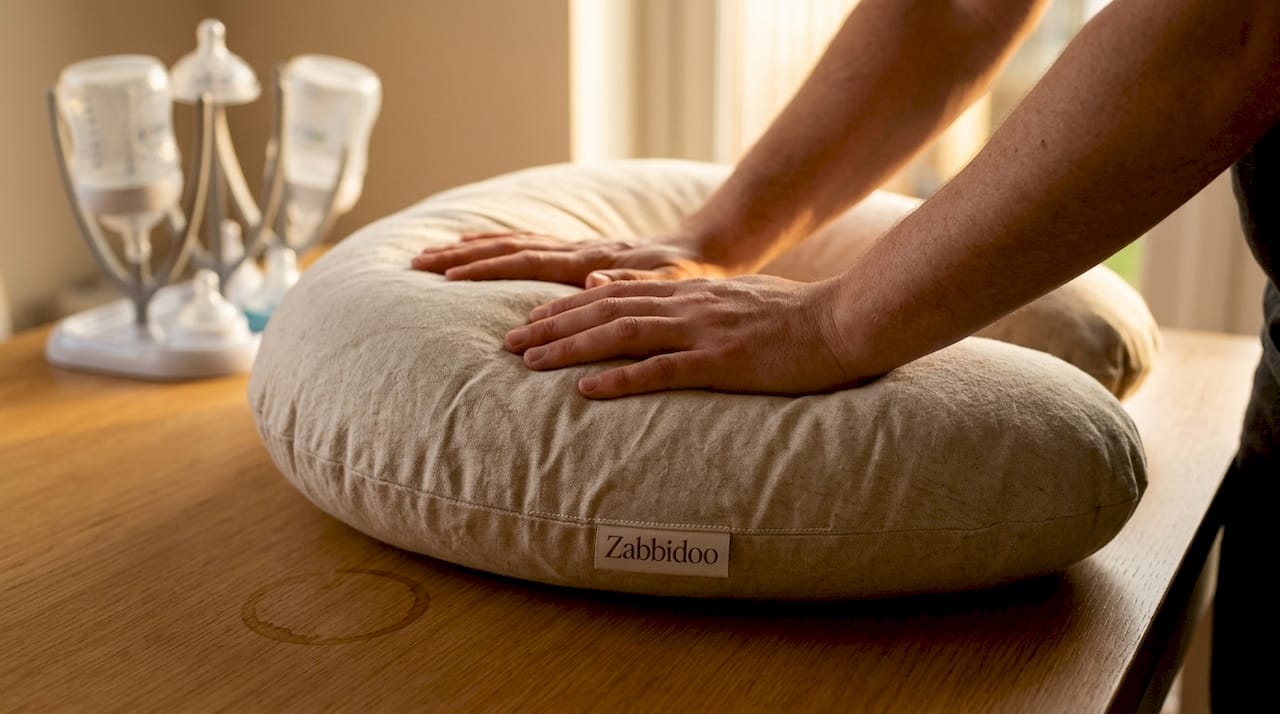
Pro Tip: When shopping, press down firmly on the pillow and release. If it springs back quickly and fully, the fill has good compression resistance. If it stays compressed or recovers slowly, it will likely flatten fast under regular use. Also check your approach to cleaning your pillow to protect whatever fill you choose.
Understanding materials is only half the story. Up next, we’ll see how design and compliance impact how long pillows remain comfortable and safe.
Design, safety standards, and their impact on durability
Safety standards and durability are more connected than most people realise. When regulators tighten requirements around how a product must perform, manufacturers are forced to use better materials and more robust construction. That is good news for mums.
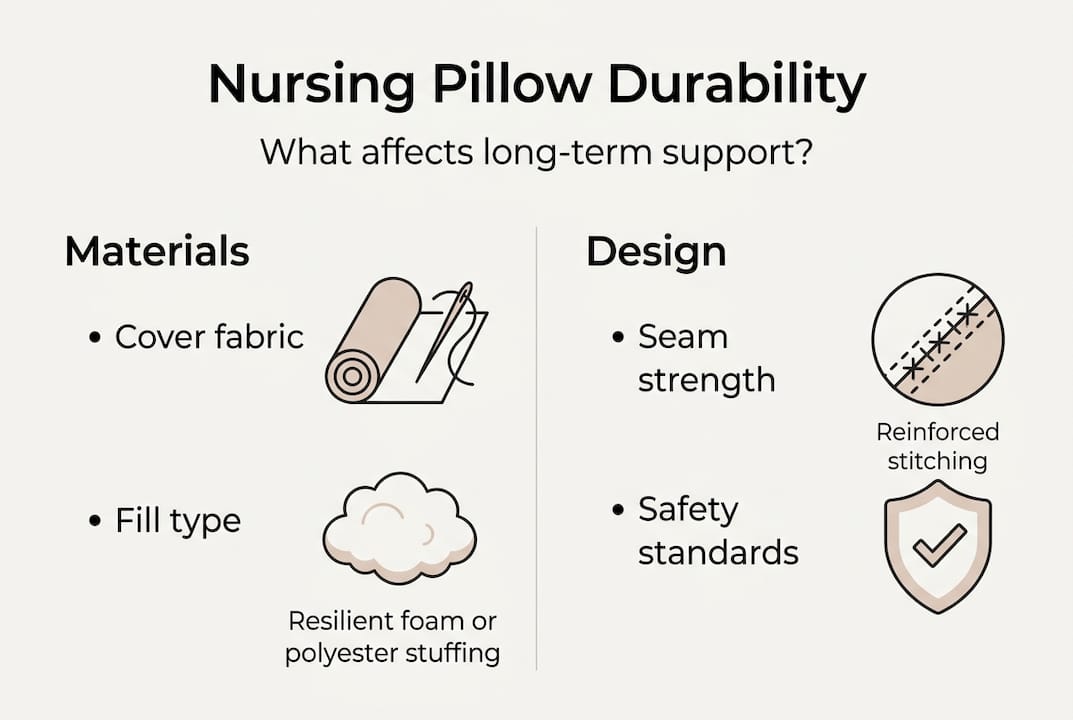
Updated CPSC standards mandate firmer, flatter pillows that resist compression and meet specific firmness thresholds. These requirements were introduced primarily to reduce infant suffocation risk, but a firmer, denser pillow is also a more durable one. The same design features that protect your baby’s airway also mean the pillow holds its shape longer under daily use.
Here is a summary of how the updated standards affect what you should look for:
| Standard requirement | Safety benefit | Durability benefit |
|---|---|---|
| Minimum firmness threshold | Reduces suffocation risk | Resists compression over time |
| Flatter surface profile | Prevents head rolling | Maintains consistent elevation |
| Required warning labels | Guides safe use | Reduces misuse that causes wear |
| Stricter material testing | Safer for baby contact | Higher quality materials overall |
Firmness regulations can genuinely work in your favour. A pillow that meets the 2025 and 2026 CPSC requirements is, by definition, built to a higher structural standard than many older models on the market. When you see compliance labelling on a nursing pillow, it signals that the product has passed independent testing for both safety and material integrity.
Design warning labels also play a quiet role in durability. Labels that specify correct positioning, weight limits, and cleaning instructions are not just legal formalities. Following them protects the structural integrity of the pillow over time. Misuse, such as placing the pillow on an elevated surface or using it in ways not intended, causes uneven wear that shortens lifespan significantly.
- Choose pillows that carry current safety certification, not just older compliance markings
- Read and follow all care and use instructions on the label
- Avoid pillows with no clear firmness or safety rating information
Pro Tip: Review your proper pillow setup before each use. Correct positioning protects both your baby and the structural integrity of the pillow itself.
With safety and construction in mind, the next step is caring for your pillow, because even the best materials need proper attention to last.
Caring for your pillow: Maximising lifespan and hygiene
Even a well-made pillow will deteriorate quickly without proper care. The good news is that a simple, consistent routine adds months of usable life to your pillow and keeps it hygienic for your baby.
Here is a practical care routine to follow:
- Remove and wash the cover weekly, or immediately after any spill or spit-up incident
- Wipe down the waterproof liner with a damp cloth and mild soap after each wash cycle
- Air the pillow fill in a well-ventilated space every few days to prevent moisture build-up
- Spot clean the fill only if needed, using a damp cloth and allowing it to dry fully before use
- Store the pillow in a breathable bag or pillowcase when not in use for extended periods
Removable covers and waterproof liners safeguard against spills and breakdown, which is exactly why these features are worth prioritising when you buy.
The most common mistakes that shorten pillow lifespan include:
- Washing the fill in the machine when it is not rated for it, which breaks down the material and causes clumping
- Putting the pillow in a dryer on high heat, which degrades foam and polyfill fibres
- Leaving a wet cover on the pillow, which traps moisture against the fill
- Using harsh detergents that break down fabric fibres and waterproof coatings over time
Knowing when to replace your pillow is just as important as knowing how to care for it. No amount of washing or fluffing will restore a fill that has genuinely broken down.
Pro Tip: Wash covers on a gentle cycle in cold or warm water. Hot water causes shrinkage and weakens elastic, which means covers stop fitting snugly and shift during feeds. A loose cover creates uneven pressure on the fill and accelerates wear. For more detail, visit nursing pillow care.
You now have the keys to a long-lasting pillow. But what do most mums get wrong about durability? Here is our take.
Our perspective: The hidden ways pillow durability impacts your wellbeing
Here is something the product listings rarely say: buying a cheaper pillow and replacing it twice costs more than buying a quality one once. But the real cost is not financial. It is the two or three weeks you spend feeding on a failing pillow before you realise it needs replacing, and the physical toll that takes on your neck, shoulders, and wrists.
Durability is also an emotional issue. When your pillow is firm, stable, and reliable, you approach each feed with less anxiety. You are not adjusting, repositioning, or compensating. That quiet reassurance matters more than it sounds when you are sleep-deprived and trying to establish feeding.
We also think the conversation around safety standards and durability is underrated. A pillow built to current compliance requirements is not just safer. It is structurally better. Firmness, material quality, and design integrity all improve together.
If you want a pillow that genuinely lasts, look for ergonomic nursing pillows built with compression-resistant fills, breathable covers, and a design that brings your baby up to you rather than the other way around. That is where durability and wellbeing meet.
Find your lasting support with Zabbidoo
If you are ready to stop compromising on comfort and support, Zabbidoo was built for exactly this.
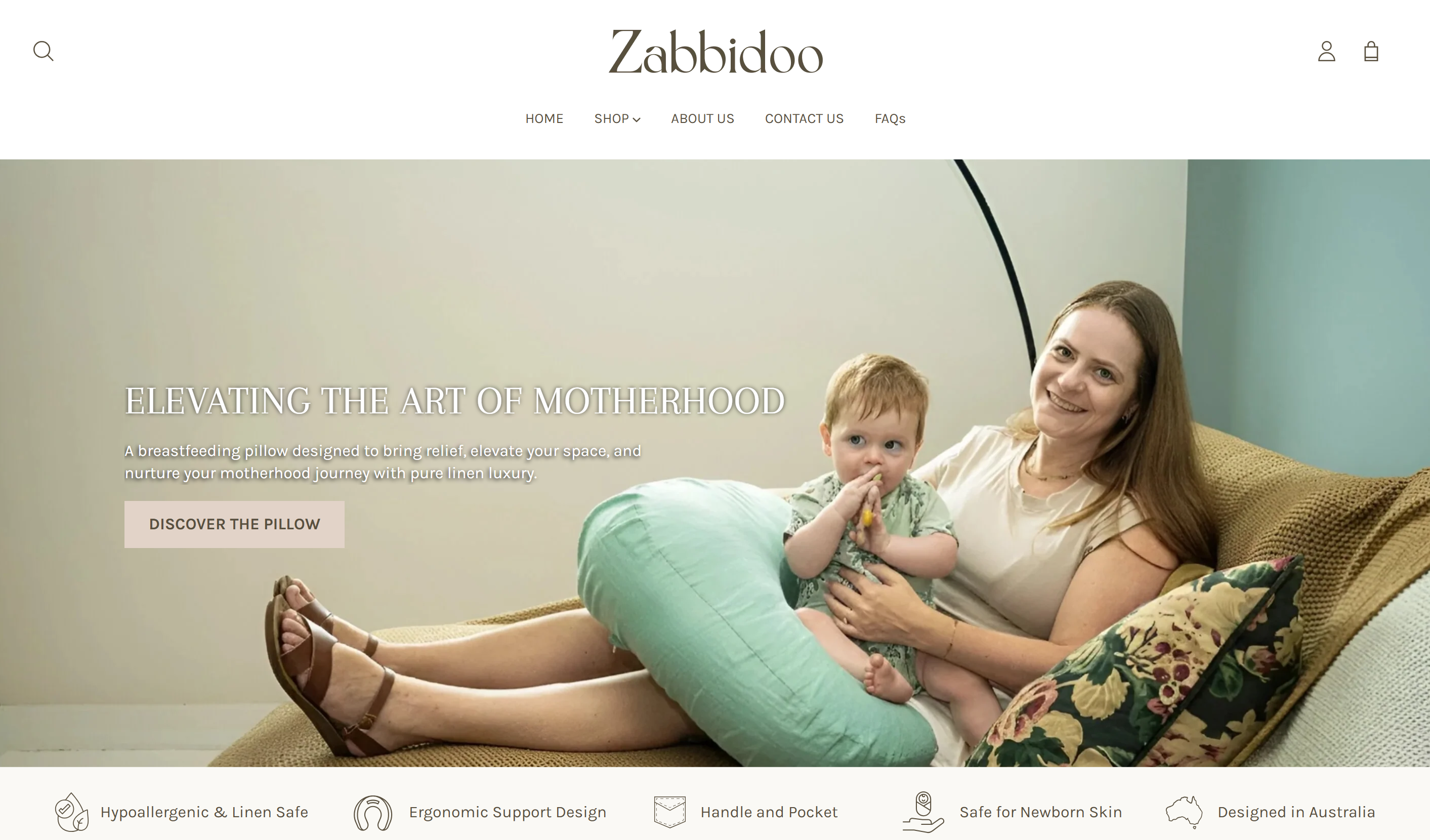
The Zabbidoo ergonomic nursing pillow is designed to hold its shape feed after feed, with an 18cm lift that brings your baby to you, premium French flax linen that breathes and washes beautifully, and a fill that resists compression where cheaper pillows give up. It is built to last through the full feeding journey, not just the first few weeks. While you are there, grab a free pacifier clip chain to make every feed a little more manageable. Because lasting support should cover the whole experience.
Frequently asked questions
How can I tell if my nursing pillow is losing support?
If the pillow flattens quickly, feels lumpy, or does not return to its original shape after use, it is likely losing support. Shape retention is vital for ergonomic support, and a pillow that no longer holds its form should be replaced.
Can I wash the entire nursing pillow, or just the cover?
Only wash the removable cover unless the pillow is specifically labelled as machine washable throughout. Removable, machine-washable covers are essential for frequent cleaning, and washing the fill when it is not rated for it will ruin its durability.
What’s the best fill for a long-lasting, supportive nursing pillow?
Memory foam and high-density polyfill are the strongest options for lasting shape and ergonomic support. Firm, shape-retaining fills like these sustain ergonomic support far longer than standard polyfill or microbead alternatives.
Are the new safety standards making pillows more durable?
Yes. New CPSC standards require firmness to prevent suffocation, a flatter design, and clear use warnings, all of which push manufacturers toward higher quality materials and construction that also happen to last longer.